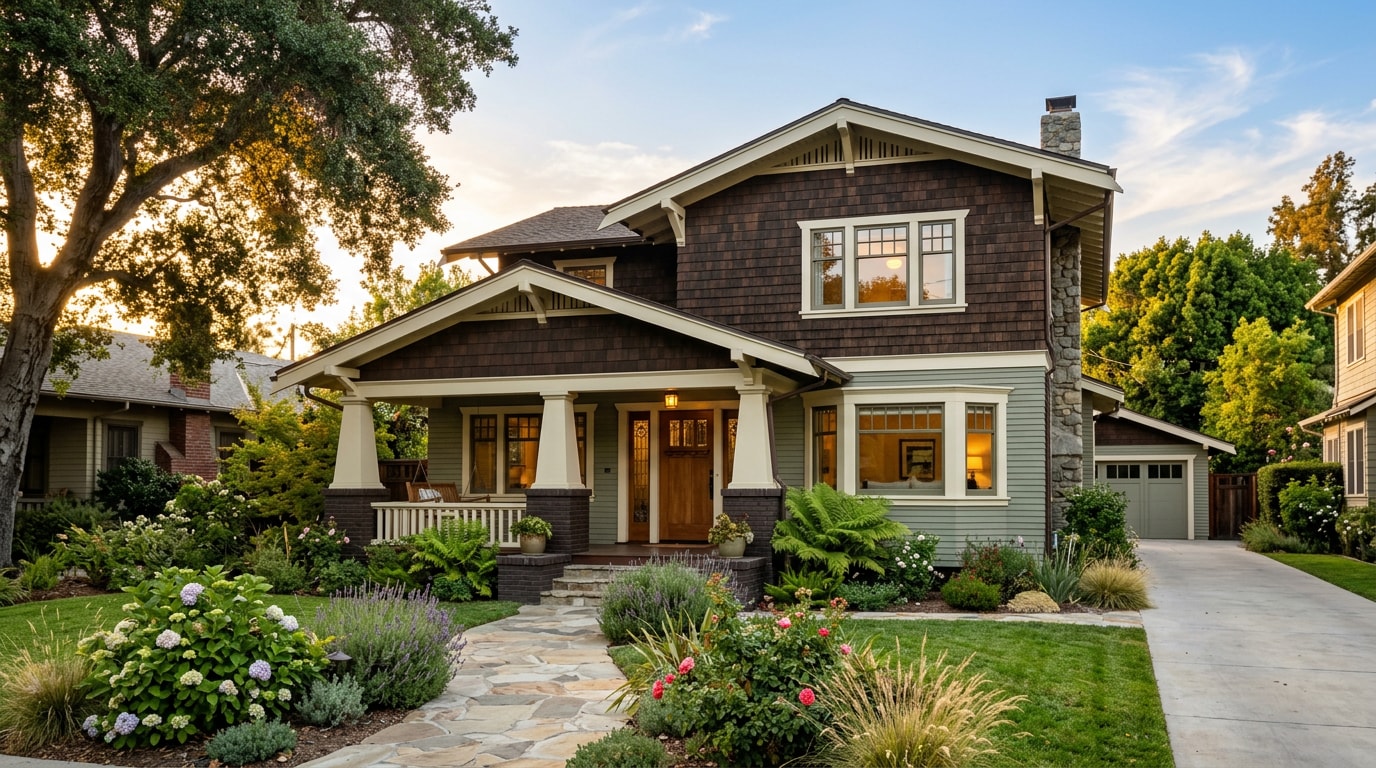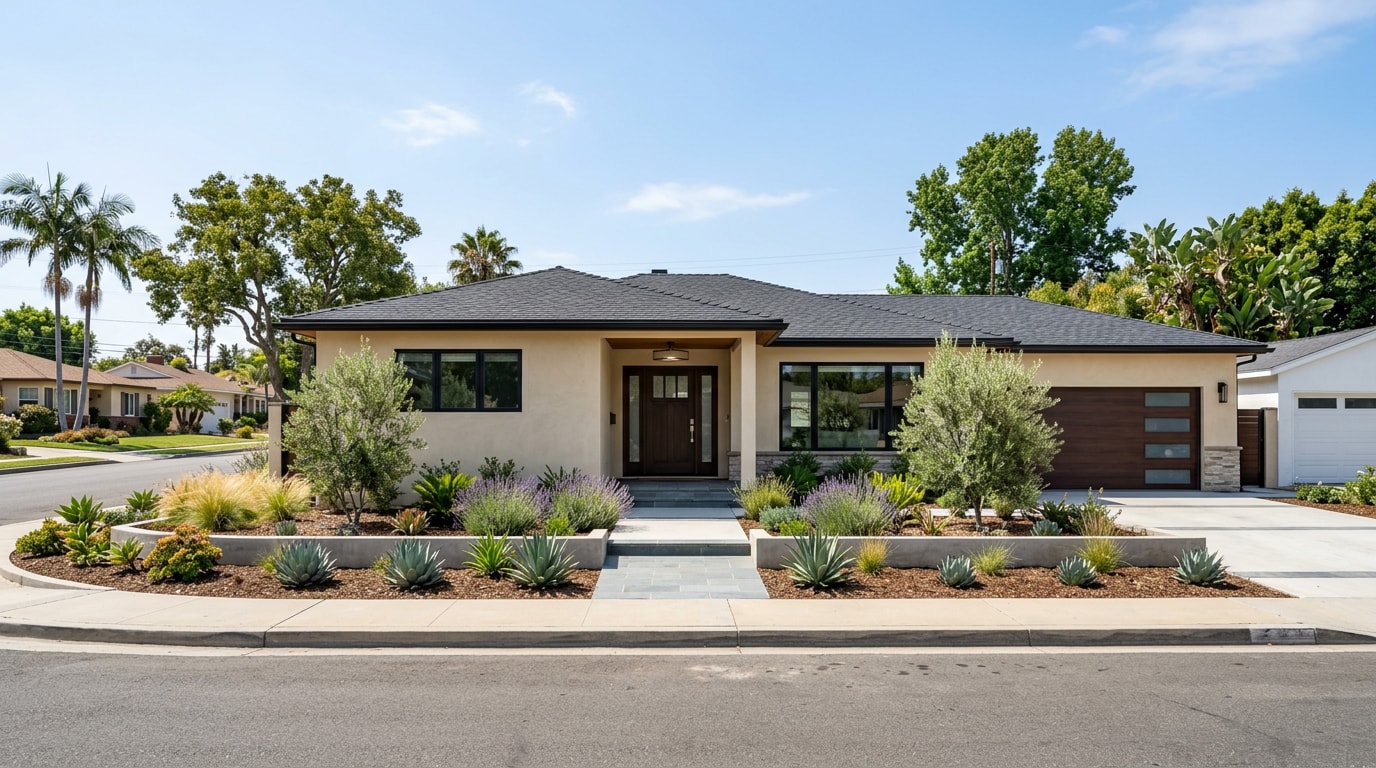
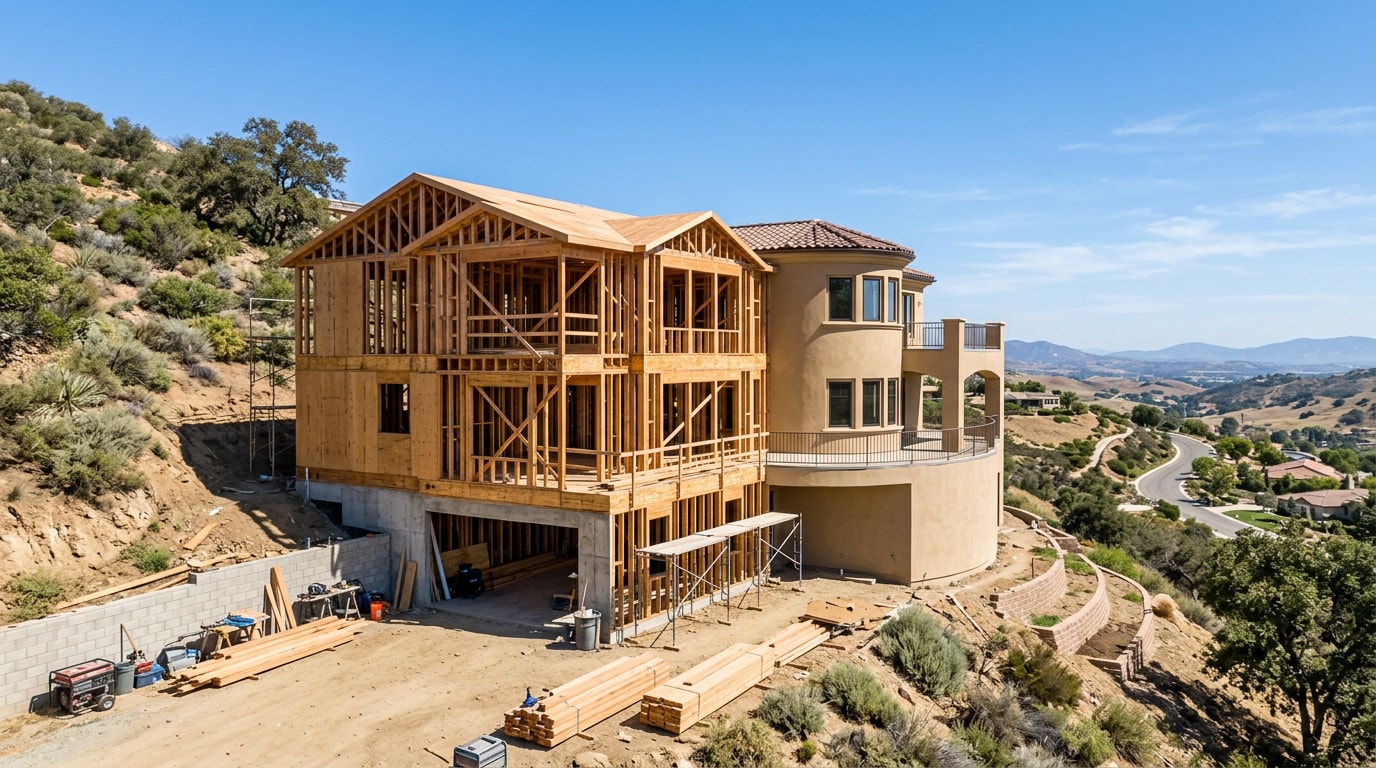
Choosing between a builder vs contractor in Ventura County, CA comes down to one question: does your project need someone to originate the design, or someone to execute a plan that already exists? Get that wrong and you'll either overpay for services you don't need or hire someone who can't legally handle the scope in front of them. Here's how the two roles actually differ, what California law requires of each, and which one fits hillside lots, coastal remodels, and ADU additions across the county.
Builder vs Contractor in Ventura County: The Quick Answer
| Factor | Home Builder | General Contractor |
|---|---|---|
| Best for | Ground-up custom homes | Remodels, additions, ADUs, commercial work |
| Design involvement | Often joins at concept stage | Executes plans that already exist |
| Pricing model | Fixed-price or turnkey contract | Percentage markup or cost-plus |
| CSLB license needed | Class B (General Building) | Class B (General Building) |
| Common Ventura County use | New construction in Ojai, Somis, hillside lots | ADUs in Camarillo, Thousand Oaks; remodels; fire rebuilds |
If you already know which column fits your project, skip to which one should you hire. If not, the breakdown below covers what each role actually does.
What Does a Home Builder Do?
A home builder specializes in constructing new houses from the ground up, guiding everything from early planning through final finishes. Builders typically maintain an in-house crew or a consistent bench of subcontractors, and most focus almost exclusively on residential work rather than a mixed bag of construction types.
Custom home builders usually get involved at the concept stage. That means a builder often manages the project from idea to move-in day, including design direction, land considerations, permitting, and construction, rather than stepping in after someone else has already drawn the plans.
For a ground-up build on a new lot, a Ventura County home builder familiar with local terrain, coastal exposure, and permitting timelines can save months of back-and-forth with the county. Our custom home building team handles that concept-to-completion process for local clients.
What Does a General Contractor Do?
A general contractor functions more like a project manager, overseeing whatever is already on the table, whether that's a new build, a renovation, or a commercial job, rather than shaping the concept from scratch. The core job is coordination: hiring and scheduling subcontractors like plumbers, electricians, and painters, pulling permits, and keeping the project on budget and on schedule.
In California, this distinction carries legal weight. General building contractors usually oversee projects and coordinate the specific subcontractors for a job, and there are two general contractor classifications, "A" General Engineering and "B" General Building contractors.
"A" contractors principally work on fixed works requiring specialized engineering knowledge, while "B" contractors work on structures that require at least two unrelated building trades during construction. That Class B requirement applies whether the GC is framing new construction or acting as a remodeling contractor on an addition.
Browse our general contracting services page for the scope of work this typically covers, or see the full general contractor category for related services.
Key Differences Between a Builder and a General Contractor
Once you understand the two roles, the practical question becomes when each one gets involved, how they bill, and how much design control you keep.
Design Involvement
Home builders often join a project early, sometimes helping shape the design itself, while general contractors typically step in once the planning phase is already finished. That gap changes how much homeowner input shapes the final result.
A custom home builder walks you through design choices and tailors the home to your family's needs from day one. A general contractor, by contrast, focuses on executing a design that's already locked in, which works well if you already have plans but limits design involvement if you're still figuring out the layout. Some firms offer a design-build structure specifically to close this gap, which we cover below.
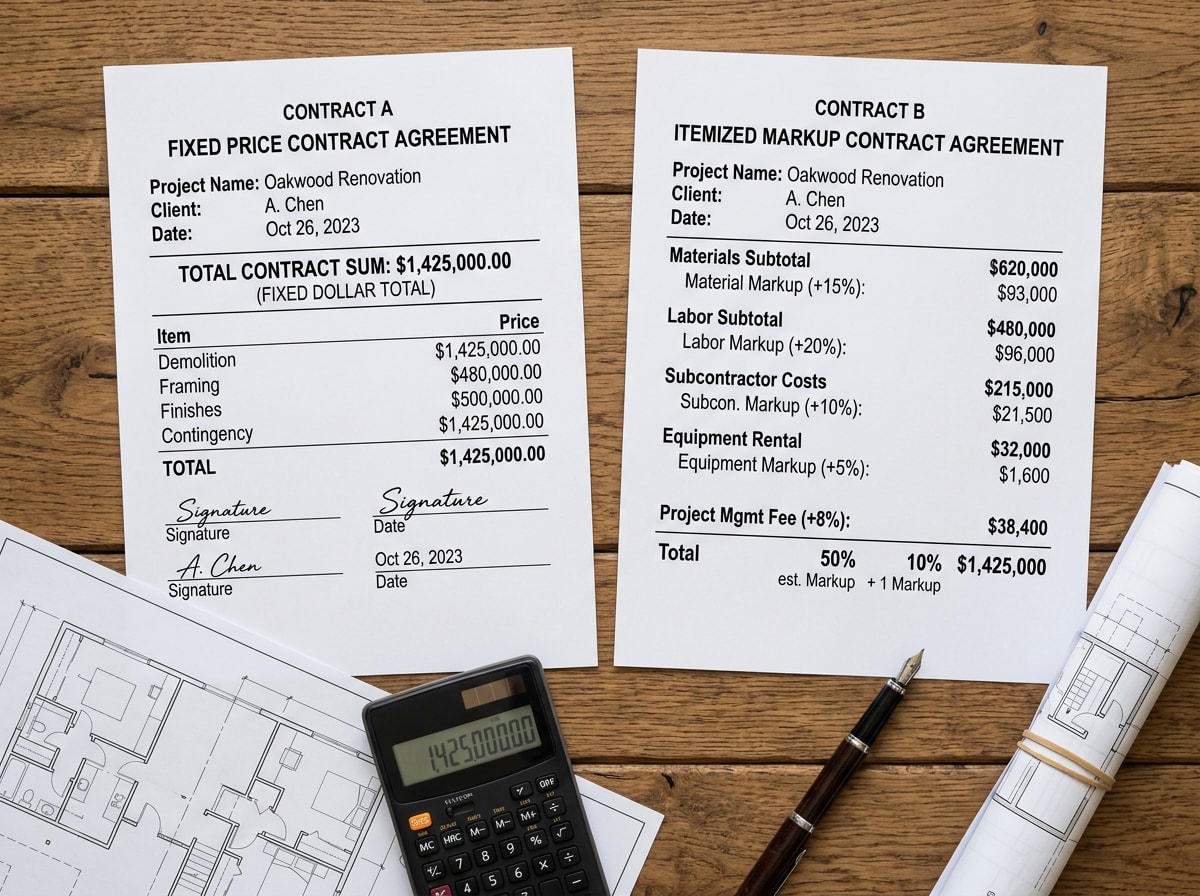
Pricing and Cost Structure
Home builders and general contractors typically use different pricing models, and knowing both before you sign prevents budget surprises.
- Most custom home builders quote a fixed-price or turnkey price agreed on before construction starts.
- General contractors more often charge a percentage-based markup, or use a cost-plus contract tied to labor and materials as the job unfolds.
- GC markups commonly run in the 10% to 20% range of total project cost, depending on size and complexity.
- Builder pricing tends to bundle design, permitting, and overhead into one number, so gross margins look higher on paper even when net profit isn't.
That last point isn't just industry chatter. Builders' average net profit margin recently hit 8.7%, the highest in more than three decades, while average gross profit margin climbed from 18.2% in 2020 to 20.7% in 2023. Details are in the NAHB's Cost of Doing Business Study coverage. Either way, get the pricing model in writing before finalizing your project budget.
Licensing Requirements in California
Anyone in California who contracts to perform work valued at $1,000 or more in combined labor and materials must hold a current, valid license from CSLB. That threshold rose from $500 to $1,000 in 2025, which is worth knowing if you're comparing older articles on this topic that still cite the old number.
Both builders and general contractors doing framing or multi-trade work in Ventura County need the same CSLB Class B license. The title on the business card doesn't change the legal requirement.
Design-Build Firms: When One Company Does Both
Some firms skip the divide entirely. A design-build firm handles the full project under a single contract, with in-house or closely integrated architects working alongside the construction team from day one. Design-build has grown from an alternative delivery method into the fastest growing and most commonly used project delivery method in the United States. See the Design-Build Institute of America's overview for how the method is formally defined.
That structure eliminates the gap between what a designer sketches and what a contractor can actually build within budget. It tends to suit clients who want a single point of contact rather than juggling separate architect and builder agreements. If you'd rather sign one contract and let one team manage design and construction together, it's worth asking any Ventura County firm whether they operate this way.
Which One Should You Hire in Ventura County?
The right choice usually comes down to project type, but Ventura County's terrain and climate add a few local wrinkles worth naming before you decide. In our own projects across the county, from hillside remodels to smaller ADU builds, the deciding factor is almost always how much design work is left to do, not just the size of the job.
As a general rule:
- Building a brand-new house with heavy customization? A home builder is usually the better fit.
- Remodeling, adding on, or handling commercial work? A general contractor is usually the right call.
- Hillside or coastal lots in Ojai or the canyons near the coast often need a builder experienced with slope and drainage engineering.
- ADU additions in Thousand Oaks or Camarillo usually fall squarely in GC territory. See our ADU building page for what that process involves locally.
- Fire-hardening rebuilds after wildfire loss often benefit from a design-build team that can move fast on both design and permitting at once.
- Standard remodels or additions to an existing home usually point toward a general contractor handling home renovation work.
Not sure which category your project falls into? Check our Ventura County service area page or browse recent projects for examples of local work in each category.
Questions to Ask Before You Decide
Start by asking yourself a few honest questions:
- Do you want a home designed around your family's lifestyle, or are you comfortable with something more standard?
- Do you already have finished plans, or do you need help creating them?
- Are you starting from scratch, or modifying a home you already own?
- Do you want one partner guiding the whole project, or are you fine managing multiple people yourself?
If you answered "custom" and "help with design," a builder or design-build firm fits best. If you already have plans and just need execution, a general contractor is likely the simpler, faster route. Still unsure? Get a free estimate and we'll help you sort it out based on your specific lot and scope. Our full range of services starts at Builders Pathway.
FAQ
Is a Builder the Same as a General Contractor in California?
Not exactly, though the line blurs depending on who you ask. Under California law, a "contractor" is legally defined in a way that includes what most people call a "builder," even though the two terms are used differently in everyday industry conversation. In practice, the biggest difference is when they get involved, not their legal status.
Can a General Contractor Build a New Home in Ventura County?
Yes. Many licensed GCs handle custom new construction from start to finish, though they typically don't run large multi-home developments the way production home builders do. For a single custom home, a qualified GC holding a CSLB Class B license can be a perfectly capable choice.
Is It Cheaper to Hire a Builder or a General Contractor?
It depends on project complexity and scale. A builder's bundled, turnkey pricing tends to suit ground-up custom builds, while a general contractor's project-based pricing often works out more cost-effective for remodels, additions, and smaller-scope work.
Do I Need a Licensed Contractor to Build or Remodel in California?
Yes, in most cases. California requires anyone contracting for work valued at $1,000 or more in combined labor and materials to hold a current CSLB license. Nearly any job that requires a building permit falls under that rule.
What License Class Do Ventura County Builders and Contractors Need?
Most residential builders and general contractors in Ventura County need a CSLB Class B General Building license, which covers projects involving at least two unrelated trades, such as framing plus electrical or plumbing. Specialty trades outside that scope may need an additional Class C license.