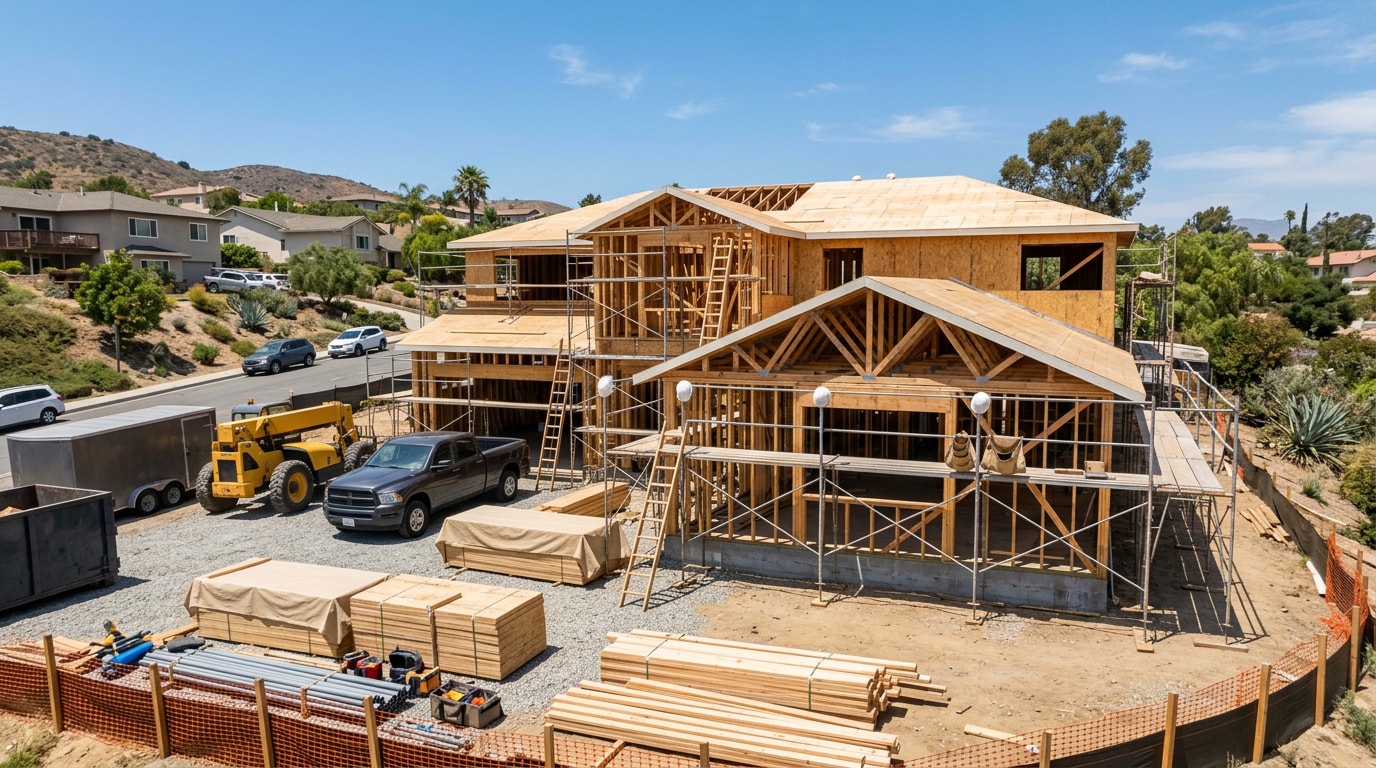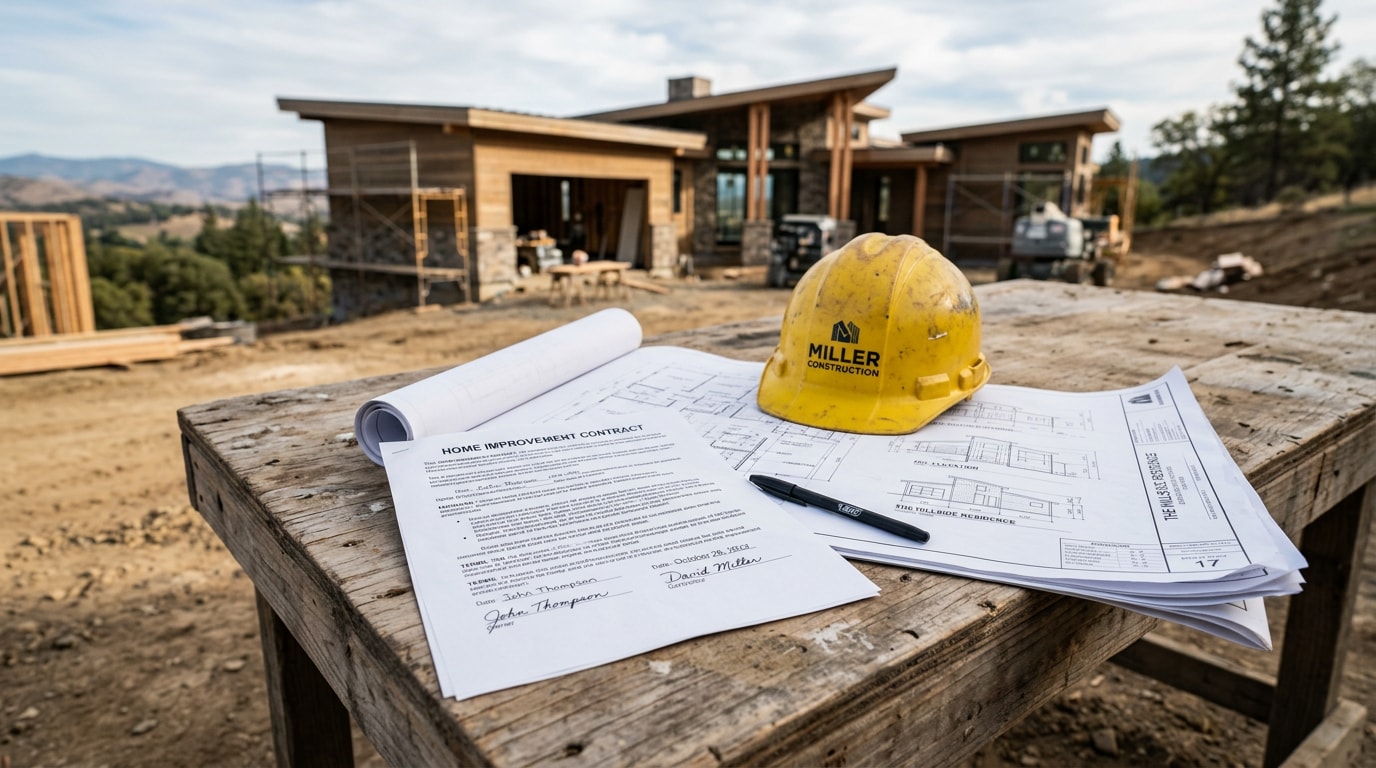
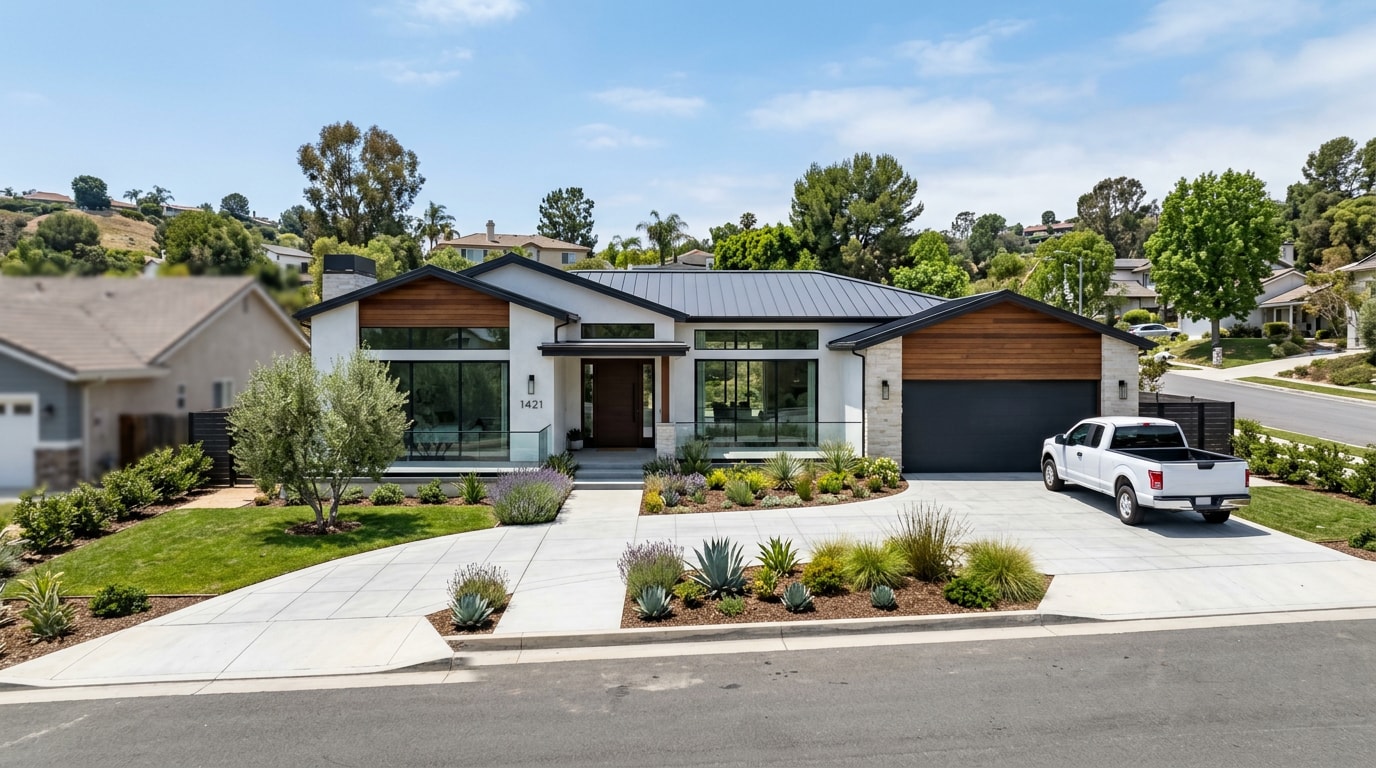
Best builders in Ventura County, CA don't rise to the top because of a five-star rating. They rise because their license, insurance, and permit history check out before a contract is ever signed. With thousands of contractors operating from Simi Valley to Oxnard, the real filter isn't who shows up first in a search; it's who survives a background check. This guide walks through exactly how to shortlist, vet, interview, and compare builders so the name you hire matches the reputation you were promised.
How to Find a Builder in Ventura County
Most homeowners start in the same few places: asking neighbors who finished a similar project, checking permit records, and browsing online directories. Each source has value, but none should be the final word on its own. A referral is useful because it comes with firsthand experience, but a contractor who nailed a kitchen remodel isn't automatically right for a full addition or a ground-up build.
Treat directories as a first filter, not a final answer. Use them to build a shortlist of five or six candidates, then do the real screening yourself. A high review count is a reason to look closer, not a reason to hire on the spot.
Ventura County also isn't one single permitting jurisdiction. Ventura, Oxnard, Camarillo, Thousand Oaks, Simi Valley, and Moorpark each run their own building and safety process with different submittal timelines. The Building and Safety Division promotes and ensures that all new development in the County of Ventura is constructed in accordance with the highest standards of safety by following and enforcing State and local building standards for new construction. Unincorporated areas fall under the county's own Resource Management Agency rather than a city office, and current changes are coming to the Ventura County Building Code that will become effective January 1, 2026 — ask any contractor you're vetting whether they've reviewed those updates for your project type.
A contractor who routinely pulls permits in Simi Valley may be less familiar with Oxnard's coastal zone requirements, so ask directly about recent work in your specific city. For a breakdown of where projects have been completed across the county, see our service areas page. If you're planning new construction rather than a remodel, our guide to what a custom build actually looks like from permit to move-in is worth reading before you request bids.
Vetting Builders in Ventura County: Licenses, Insurance & Reviews
Vetting isn't one step. It's three separate checks every serious homeowner should complete before requesting a single bid: confirming the license is active, confirming insurance is current, and reading reviews for substance rather than star count. Skipping any one of these raises your risk considerably.
Verify the Contractor's License
Every contractor working on a California project valued at $500 or more must hold an active license. CSLB was established in 1929 and today licenses about 285,000 contractors in 45 different classifications — which is exactly why checking one name against that database matters before you sign anything. Verify a contractor by searching their name or license number on the CSLB's consumer resource hub, which links directly to license check, hire-a-contractor guidance, and complaint history.
As of 2026, an active license should show no expiration warnings, no unresolved judgments, and a current contractor bond. A California contractor license bond is the $25,000 surety bond the Contractors State License Board requires before it issues, reactivates, or renews an active license under Business and Professions Code §7071.6. The lookup also lists the license classification; for most home building and remodeling work, a Class B (General Building Contractor) license is the baseline you want to see.
Here's what a bad answer sounds like: if a contractor hesitates on a license number, says it's "pending," or gives a number that doesn't match the business name in the lookup, treat that as a stop sign. Licensed contractors hand over that number without a pause, because it's public record.

Confirm Insurance Coverage
A verbal "we're insured" is a claim, not verification. Ask every contractor on your shortlist for a current certificate listing general liability and workers' compensation, then call the carrier to confirm the policy is active.
General liability protects your property if something goes wrong during construction, like fire or water damage. Workers' compensation protects you from liability if a worker is injured on your property. Any licensed general contractor working in Ventura County should produce both documents within a day of being asked. If the policy lists a different business name than the one bidding your job, keep looking.
Read the Reviews Carefully
Star counts alone tell you little. A 4.8-star average built on twelve reviews can hide a pattern that a 4.3-star average built on two hundred reviews doesn't. Read the actual text of recent reviews and look for three things: how the contractor communicated when problems came up, whether cost and timeline matched what was promised, and how site cleanup was described.
A string of reviews mentioning missed callbacks or unfinished punch-list items is worth taking seriously, even when the overall rating looks fine. Ask to see examples of a builder's own completed projects so you can judge finish quality yourself instead of relying only on secondhand descriptions.
Red Flags to Watch for When Screening Builders
Even after checking licenses and insurance, a handful of behavioral signs reveal problems paperwork won't catch. Watch for:
- A deposit request above the legal limit.
A downpayment on a California home improvement contract may not exceed one thousand dollars or 10 percent of the contract amount, whichever is less. You can review the full statute on the California Legislative Information site.
- Reluctance to provide references or a permanent business address.
- High-pressure tactics pushing you to sign the same day.
- A pattern of unresolved negative reviews rather than isolated complaints.
- Any suggestion that you skip permits to save time or money.
Permits exist to protect you. A contractor who proposes working around them is prioritizing convenience over your liability. Trust your read of the in-person interaction, too — a builder who dodges direct questions about licensing or past projects during an initial call rarely becomes more transparent once a contract is signed. When you're ready to talk through a project with a team that welcomes those questions, reach out for a free estimate.
Questions to Ask Potential Builders Before Hiring
Once a builder passes the license, insurance, and review checks, the next step is a direct conversation. Treat it as a hiring interview, not a casual phone call.
Ask these before you sign anything:
- What's the realistic timeline, and what could push it back?
- Who pulls and manages the permits?
- Can you provide the full payment schedule in writing?
- What does the workmanship warranty cover after the project wraps up?
- Will the person bidding the job be my day-to-day contact?
None of these should make a reputable builder uncomfortable. Finding out how long a company has been in the building business matters, since it usually takes three to five years to establish a financially sound operation that will still be around to honor a warranty. The NAHB's consumer checklist covers similar ground and is a useful cross-check against whatever list you bring to the conversation.
Ask for Local Project References
Request at least three references from projects completed in the past one to two years, ideally similar in scope to yours. A kitchen remodel reference won't tell you much if you're planning new construction.
Ask past clients about crew behavior on-site, how change orders were handled, and whether the final cost and timeline were close to the original bid. Reviews gathered this way tend to be more candid than anything posted publicly, since the homeowner isn't worried about affecting a contractor's public rating. If your project involves structural work, our general contracting services page outlines what's typically included in that scope.
How to Evaluate Bids from Multiple Builders in Ventura County
The lowest number on a bid sheet is rarely the best deal once you look closely. Getting multiple quotes only helps if you compare them line by line, not just by the bottom-line total.

A simple side-by-side table makes the differences obvious fast:
| Line Item | Builder A | Builder B | Builder C |
|---|---|---|---|
| Total price | $185,000 | $168,000 | $179,500 |
| Permits included? | Yes | No | Yes |
| Materials grade | Mid-range | Builder-grade | Mid-range |
| Payment schedule | 10/40/40/10 | 30% deposit | 10/30/30/30 |
| Warranty | 2-year workmanship | 1-year | 2-year workmanship |
Builder B looks cheapest until you notice permits aren't included and the deposit exceeds the legal cap. Comparing bids this way, instead of relying on gut instinct, usually changes which contractor comes out ahead. When you're ready for a detailed, itemized quote, our custom home building services page outlines what's typically included in an estimate, or contact us directly to talk through your scope.
FAQ
How Much Do Builders Charge in Ventura County?
Costs vary widely by project type: kitchen remodels often run in the tens of thousands, full home renovations are typically priced per square foot, and custom home construction runs highest per square foot depending on finishes and site conditions. A detailed, written bid is the only reliable way to get an exact number for your specific project.
What License Does a Custom Home Builder Need in California?
Custom home construction requires a Class B (General Building Contractor) license at minimum, issued by the CSLB. This classification allows a contractor to take on projects requiring at least two unrelated trades, which covers nearly all ground-up home building. Some builders also hold specialty classifications for electrical, plumbing, or HVAC work, but a B license is the baseline.
How Long Does It Take to Build a Custom Home?
Most custom homes in Ventura County take roughly 10 to 18 months from permit approval to move-in, though the timeline depends heavily on design complexity, lot conditions, and change orders mid-build. Permitting alone can add several months before construction starts, especially in jurisdictions with coastal zone review. Budget extra time for inspections and design revisions.
Do I Need a Permit for a Remodel in Ventura County?
Generally, yes. Any project valued at $500 or more performed by a licensed contractor typically requires a written contract and, depending on scope, a building permit from the city or the county's Building and Safety Division. Skipping permits to save time is one of the clearest red flags in a bid, not a shortcut worth taking.
Is Design-Build Cheaper Than Hiring an Architect Separately?
Not necessarily cheaper on paper, but a design-build contractor often reduces costly surprises because one company handles design and construction under a single contract with one point of accountability. Hiring an architect and contractor separately can produce a more customized design, but it adds coordination work, and potential cost, if the two parties disagree on budget mid-project. The right choice usually depends more on how much creative control a homeowner wants than on which approach is cheaper upfront.
This guide was put together by the general contracting team at Builders Pathway, a design-build firm working across Ventura County on remodels, additions, and custom homes. We've sat across the table from homeowners mid-vetting process enough times to know which questions actually separate a solid builder from a risky one. If you're ready to put this checklist to use on a real project, get a free estimate and we'll walk through it with you.