
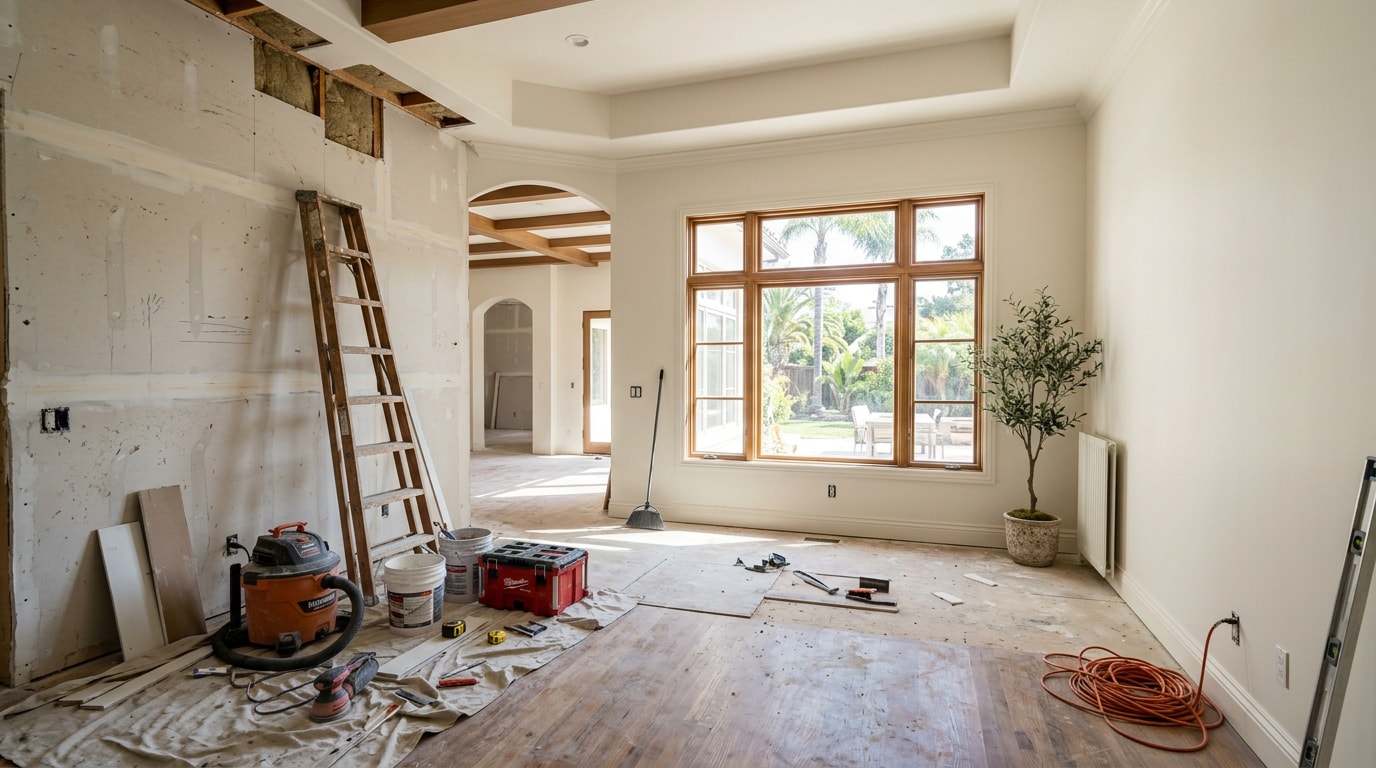
Yes — homeowners in Glendale can sue a general contractor over a botched remodel, an abandoned job, or work that fails months after "completion," but the right path depends on how much money is at stake and how fast you move. California law gives you several routes to recovery, from a CSLB complaint to Superior Court. Here's exactly how those routes work, what they cost, and which deadlines can quietly kill an otherwise strong case.
Legal Grounds to Sue a General Contractor in California
Most contractor disputes fall into one of a handful of recognized legal theories. Knowing which one applies shapes what evidence you need and how much you can recover.
Breach of Contract
Breach of contract is the most common claim filed against a general contractor Glendale homeowners hire. It applies whenever the contractor doesn't do what the signed agreement promised — missing a deadline, substituting cheaper materials, or leaving unfinished work after taking payment.
A written contract makes this claim far easier to prove than a handshake deal. If your agreement was verbal, you can still sue, but you'll need texts, emails, and receipts to establish what was actually promised.
Negligence and Breach of Warranty
Negligence covers workmanship that falls below the standard of care and causes property damage. Breach of warranty relies on promises made directly in the contract, or implied automatically by law. A single bad job can support both claims at once.
- Negligence usually applies to defective work that damages other parts of the home — a leaking roof, uneven flooring, faulty wiring.
- Breach of warranty applies when work fails prematurely, even without separate damage, because construction is expected to hold up for a reasonable period.
Fraud or Project Abandonment
Project abandonment happens when a contractor walks off the job without legitimate cause, leaving a home half-finished. Fraud is different: it involves deliberate deception, such as falsely claiming a valid license or billing for premium materials while installing cheaper substitutes.
These theories matter because fraud opens the door to remedies a straightforward contract claim doesn't offer. If you suspect deliberate deception rather than simple incompetence, review your case with a construction law attorney who handles contractor disputes — you can also read our guide on finding a general contractor attorney for what that process typically looks like.
What About Injuries on the Jobsite?
If your question is really about a worker or bystander injury rather than shoddy work, different rules apply. California generally assumes that once a contractor is hired, jobsite safety responsibility shifts to that contractor. A general contractor or property owner may be held responsible when their own conduct contributed to the injury , but liability is far narrower than in a standard workmanship dispute. This is a separate legal track from the remodel and construction-defect claims covered in this guide.
Statute of Limitations: How Long Do You Have to Sue?
California sets firm deadlines depending on your claim type. Miss the window, and the court will likely dismiss your case no matter how strong the underlying facts are.
| Claim Type | Deadline |
|---|---|
| Written contract breach | 4 years |
| Oral contract breach | 2 years |
| Property damage / negligence | 3 years |
| Fraud | 3 years from discovery |
| Personal injury | 2 years |
Here's a simple way to check your own timeline. If you signed a written contract in 2023 and the contractor breached it that same year, your deadline to sue falls in 2027. If the agreement was oral, that same 2023 breach gives you only until 2025. Fraud works differently — the clock starts when you discover the deception, not when it happened, so a fraud you uncover in 2026 could still be actionable years after the work was done.
Because these rules get fact-specific fast, confirm current deadlines against the California Courts self-help center rather than relying on memory alone.
Verify the Contractor's License Before You Do Anything Else
Before filing anything, look up the contractor's license status through the Contractors State License Board. Licensing status can completely change your legal strategy and the remedies available to you.
A quick license check tells you whether the contractor was properly licensed for the entire duration of the project, not just at the start. Run this free lookup directly through CSLB's official license search tool. If anything looks inconsistent — a lapsed, suspended, or mismatched license — that changes everything covered in the next section.
What If the Contractor Was Unlicensed?
If the contractor was unlicensed at any point during your project, California law allows you to recover money paid, regardless of the quality of the work. A person who utilizes the services of an unlicensed contractor may bring an action in any court of competent jurisdiction in this state to recover all compensation paid to the unlicensed contractor for performance of any act or contract.
This rule exists because California treats unlicensed contracting as a serious violation, not a technicality. The same code section also bars an unlicensed contractor from bringing or maintaining any action to collect compensation, regardless of the merits of the underlying work . You can read the exact statutory language through California's official legislative information site covering Business and Professions Code Section 7031. It's one of the more overlooked remedies available to Glendale homeowners, so check licensing history even in disputes that otherwise look like ordinary breach-of-contract cases.
California's Right to Repair Act: Pre-Litigation Notice for New Construction
If your dispute involves defects in a newly built home rather than a remodel of an existing property, the Right to Repair Act requires specific pre-litigation steps before a lawsuit can move forward. The claimant must provide written notice via certified mail, overnight mail, or personal delivery to the builder, stating the claim in reasonable detail sufficient to determine the nature and location of the violation , before filing suit under Civil Code Section 910.
Skipping this notice can get your case dismissed outright, or at minimum stayed until you comply. Claims under this Act generally must be brought within a set window after substantial completion of the home, so if your Glendale property was built within the last several years, confirm whether the Act applies before drafting anything.
Steps to Take Before Filing a Lawsuit
Most successful contractor disputes follow an escalation ladder rather than jumping straight to court. Working through these steps in order often resolves the issue, or at least strengthens your case if it doesn't.
- File a CSLB complaint. This is a low-cost early step worth taking before or alongside other action. File online or by phone, and describe specifics — if a contractor abandoned the job halfway through, detail exactly what work was left unfinished. A complaint doesn't get you paid directly, but it creates an official record and can trigger disciplinary action against the license.
- Claim against the contractor's surety bond. Every licensed California contractor carries a surety bond, and filing a claim against it can lead to partial recovery even without a full lawsuit. Bond amounts are limited, so this route works best for smaller losses rather than six-figure disputes. It pairs naturally with a CSLB complaint since both rely on the same licensing record.
- Send a demand letter. A formal written request for the contractor to fix the problem or repay you can resolve disputes without ever reaching a courtroom. A strong demand letter states the exact dollar amount you're seeking, a firm deadline for response (typically 10–14 days), and the specific consequence if the contractor doesn't respond. Sending this letter also satisfies the informal step California courts expect to see before a small claims case proceeds.
If you're unsure whether your situation qualifies for any of these steps, a free consultation can help you decide before you spend money on filing fees.
Choosing the Right Court: Small Claims vs. Superior Court
The dollar amount in dispute determines which court you use, and that choice affects cost, complexity, and how long the process takes. Generally, you can only sue for up to $12,500 in small claims court, or up to $6,250 if you're a business . Anything above that goes to Superior Court, where there's no dollar cap but far more formal procedure.
| Factor | Small Claims Court | Superior Court |
|---|---|---|
| Dollar limit | $12,500 (individuals) / $6,250 (businesses) | No cap |
| Attorney allowed | No, for individuals at the hearing | Yes |
| Typical timeline | A few months | Often a year or more |
| Appeal rights | Limited (contractor may appeal; plaintiff generally cannot) | Standard appeal process |
| Filing cost | $30–$100 | Higher, plus attorney fees |
A modest tile job gone wrong might belong in small claims court, while a six-figure remodel dispute usually requires Superior Court. If your damages exceed the small claims cap, you can still file there and simply waive the amount above the limit — often worth doing to avoid the cost of formal civil litigation. Confirm the current figures through the California Courts self-help center before deciding, since these caps are periodically updated.
Filing, Serving, and Preparing for the Hearing
Once you've decided to move forward, the mechanical steps are fairly consistent regardless of which court you choose.
File the Complaint
The complaint (or, in small claims, the Plaintiff's Claim form) is the document that formally starts your lawsuit. It needs to clearly state your case against the contractor along with the damages you're seeking. Accuracy matters here — vague or incomplete claims can slow down or weaken your case before it even reaches a hearing.
Serve the Contractor
After filing, you must formally notify the contractor that you've sued them, a step called service of process. California has specific rules about who can serve papers and how, and you'll need proof of service filed with the court before your hearing date. Skipping or botching this step can delay your case significantly.
Prepare for and Attend the Hearing
Gather your contract, photos, receipts, and every relevant text or email exchange, then organize them into a clear before-and-after timeline before your hearing date.
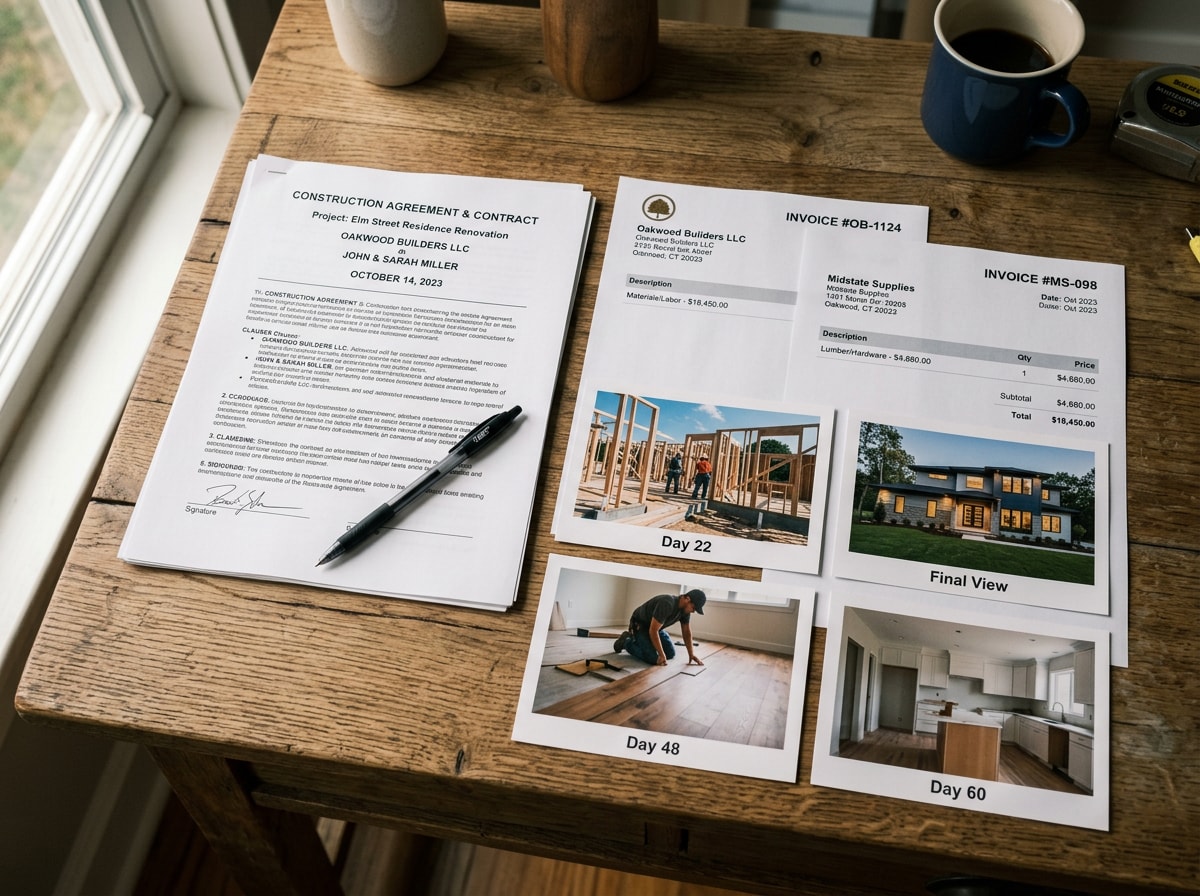
Judges respond well to organized evidence that tells a simple, chronological story. Practice explaining your case out loud in two or three minutes — hearings move quickly, and clarity matters more than legal jargon. Bring copies of everything, since originals sometimes need to stay with the court file.
Suing With vs. Without a Lawyer
It's entirely possible to sue a contractor without a lawyer, especially in small claims court, where attorneys typically aren't even allowed to appear at the hearing itself. But contractor disputes can get complicated fast, particularly when fraud, licensing issues, or large sums of money are involved.
If your case is heading to Superior Court, or the amount at stake is significant, consulting a construction attorney usually improves your odds and can save time in the long run. A pro se lawsuit works fine for straightforward, lower-dollar disputes, but complex cases often benefit from professional guidance early rather than after mistakes are made.
After the Dispute: Vetting Your Next Contractor
Once a dispute is resolved, most Glendale homeowners still have a project to finish. Whether that means bringing in a new team for a stalled general contracting job, restarting a delayed home renovation, or simply getting a second opinion before signing another contract, the license-verification habit from this guide should carry forward into every future hire. Builders Pathway works with homeowners across Glendale, CA and the surrounding San Fernando and San Gabriel Valleys, and every contract we write spells out scope, materials, and payment milestones in plain language specifically so disputes like the ones above don't happen in the first place. You can browse our approach on the homepage or see how we scope projects on our projects page.
This guide is written from the contractor's side of the table by the Builders Pathway team of CSLB-licensed general contractors, who regularly get called in to finish or fix projects abandoned by other companies across Los Angeles County. That vantage point is why the licensing checks and documentation habits above are emphasized so heavily — they're the same checks we run before ever taking over a stalled job. If you want a second opinion on a stalled Glendale project, reach out through our contact page for a free estimate.
FAQ
Can I sue a general contractor in small claims court?
Yes, as long as your damages fall within California's small claims dollar limit of $12,500 for individuals or $6,250 for businesses. Small claims is faster, cheaper, and doesn't require an attorney at the hearing, making it a practical option for smaller repair or refund disputes.
What is the statute of limitations to sue a contractor in California?
It depends on your claim: four years for a written contract breach, two years for an oral contract breach, three years for property damage or negligence, and three years from discovering fraud for fraud-based claims. Missing these deadlines generally bars you from filing at all.
Can you sue a contractor who wasn't licensed?
Yes. Under Business and Professions Code Section 7031, hiring an unlicensed contractor allows you to sue to recover compensation you paid, and that contractor is barred from suing you for any unpaid balance.
How do I file a complaint against a contractor in California?
You can file a CSLB complaint online or by phone for reasons like an unfinished project, overcharging, improperly performed repairs, being billed for work never completed, property damage, or a broken written agreement. The complaint creates an official record and can trigger licensing board review.
Can you sue a general contractor for a jobsite injury?
It's possible, but the legal test is different from a workmanship dispute. Responsibility generally shifts to the contractor once hired, and a property owner or higher-tier contractor is typically only liable if their own conduct, a concealed hazard, or unsafe equipment they controlled contributed to the injury.
Do I need a lawyer to sue a general contractor?
Not always. Small claims cases are designed for self-represented homeowners. Superior Court cases, fraud claims, or disputes involving large sums are where an attorney typically pays for themselves through better outcomes and faster resolution.