Hiring a commercial general contractor in La Cañada Flintridge, CA means vetting a different set of licenses, insurance limits, and code requirements than a typical home remodel. Office build-outs, retail renovations, and medical suite upgrades carry ADA, fire-life-safety, and occupancy rules that a residential crew rarely handles. This guide breaks down what separates a qualified commercial contractor from a bigger residential operation, plus the exact license checks and permit steps to confirm before you sign anything.
Commercial vs. Residential General Contractor: What's the Difference?
A commercial general contractor holds a different license classification, manages larger subcontractor networks, and navigates stricter code requirements than a residential contractor, who typically focuses on single-family homes and smaller remodels. Knowing this split before you interview bids keeps you from hiring someone capable on paper but unprepared for commercial-scale compliance.
Commercial work involves accessibility standards, fire and life-safety systems, and occupancy rules that simply don't apply to most houses. A contractor who has spent years on kitchen remodels isn't automatically ready to manage a tenant improvement with ADA-compliant restrooms and a fire marshal sign-off.
| Factor | Commercial General Contractor | Residential Contractor |
|---|---|---|
| License class | Class B (or specialty C classifications for scope) | Class B or C, residential focus |
| Typical projects | Offices, retail, medical, restaurants | Single-family homes, additions, remodels |
| Inspection complexity | ADA, fire/life-safety, occupancy, mechanical/electrical load | Standard building and electrical inspections |
| Timeline | Weeks to several months, phased around tenant/business use | Days to a few months |
If your project involves a business space rather than a home, you need a contractor whose crews and paperwork are built around commercial construction, not a bigger version of residential work. Our general contractor services page outlines how commercial and residential scopes are staffed differently on our own jobs.
What to Look for in a Commercial General Contractor
A qualified commercial general contractor in La Cañada Flintridge should bring dedicated commercial staff, not a residential crew stretched to cover a bigger scope. Look for someone who is upfront about timelines, documents everything in writing, and flags problems before they become expensive change orders.
Real commercial construction experience shows up in the details. A contractor should be able to walk you through similar projects they've completed, explain how they sequence trades to avoid downtime, and describe their approach to managing a live job site around an operating business.
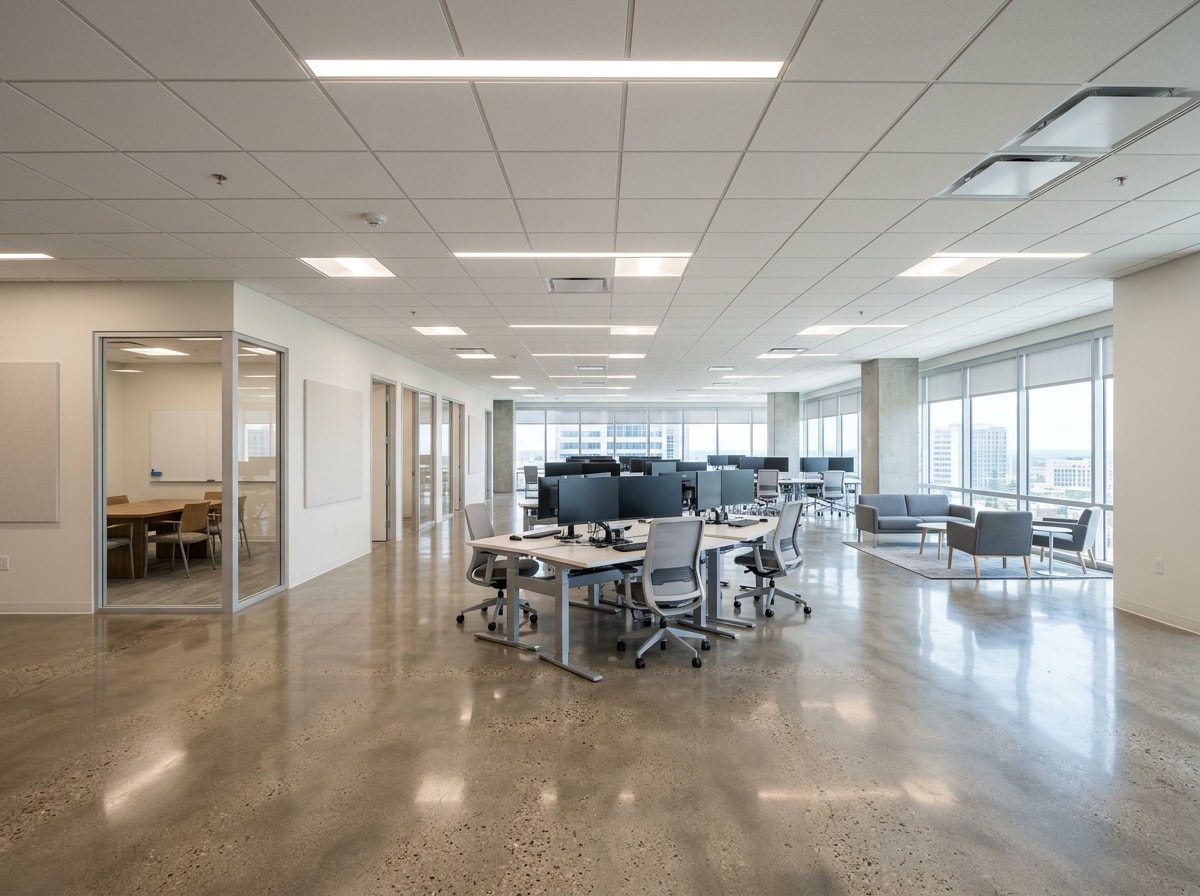
Transparency matters as much as skill. A contractor who hedges on timelines or avoids specifics about staffing is giving you useful information, just not the kind you want. Ask how they handle scheduling conflicts between subcontractors and who is personally accountable if something slips.
The Contractor Vetting Checklist
Even a contractor who looks good in a sales meeting can fall short once work starts. Running a structured vetting checklist before you sign anything protects your budget, your timeline, and your building's compliance.
Verify the License and Insurance
A commercial general contractor working in California must hold an active Class B General Building Contractor license issued by the Contractors State License Board (CSLB). The Contractors State License Board protects California consumers by licensing and regulating the state's construction industry, and it was established in 1929 and today licenses about 285,000 contractors in 45 different classifications. Never take a contractor's word for their license status, confirm it yourself using the CSLB's official license check tool.
Beyond the license number, ask for proof of current general liability insurance and workers' compensation coverage. Coverage limits vary by project size, but a reputable commercial contractor should carry policies well above state minimums and provide a certificate of insurance before work begins.
Skipping this step is one of the most common and costly mistakes property owners make. An expired license or a lapsed insurance policy can leave you personally liable if something goes wrong mid-project.
Confirm Local Project Experience and Permitting Steps
Project-type experience matters more than years in business alone. A contractor who has completed several restaurant build-outs understands grease-trap requirements and health department timelines in ways a generalist contractor hasn't encountered.
Local permitting experience also speeds up approvals. In La Cañada Flintridge, you apply for entitlement and building permits online through ConnectLCF, and prior to applying for a building permit (excluding trade permits), you need a Zoning Clearance first, with the Zoning Clearance case number required to complete the building permit application. A contractor who doesn't know that step will submit an incomplete application and cost you weeks before a plan check even starts.
On tenant improvement projects we've managed near Foothill Boulevard, the biggest schedule slips have come from accessibility retrofits that weren't scoped until the fire marshal walkthrough, not from the build-out itself. Catching that during bidding, not during construction, is what separates an experienced commercial contractor from one that's guessing.
Ask directly about recent commercial project types similar to yours, and ask for references tied to local jurisdictions. See our La Cañada Flintridge service area page for the scope of commercial and residential work we handle locally, and our guide to vetting questions for La Cañada Flintridge contractors for a deeper look at how hospitality and commercial clients should screen bids.
Questions to Ask a Commercial General Contractor Before You Hire
Bring these questions to every bid meeting, and pay attention not just to the answers but to how confidently they're delivered.
- Who is my dedicated project manager, and how will they communicate updates throughout the job?
- How do you handle change orders — what triggers one, and how is pricing documented before work proceeds?
- What warranty do you provide on workmanship, and how does it differ from manufacturer warranties on materials?
- How do you vet your subcontractors, and have these specific trades worked on commercial projects with you before?
- How will you sequence work around an occupied or partially operating business?
A contractor who answers clearly and specifically, rather than in vague reassurances, is usually the one who runs organized job sites. Before you sign, get a free estimate and walk through your project scope so these questions get answered directly against your plans, not in the abstract.
How Much Does a Commercial General Contractor Cost?
Commercial general contractor cost structures generally fall into three models:
- Lump sum — a fixed total price, best when drawings and specifications are finalized.
- Cost-plus — actual costs plus a fee, offering flexibility on evolving scopes.
- Guaranteed maximum price (GMP) — a cost-plus arrangement capped at an agreed ceiling, protecting your budget while allowing some flexibility.
Each shifts risk differently between you and the contractor, so the right choice depends on how well-defined your scope is before construction starts.
Several factors push commercial construction costs higher regardless of contract type: scope changes mid-project, unexpected site conditions, permitting delays, and overhead or profit markups that vary by contractor. Change orders are one of the most common sources of budget overruns on commercial jobs, which is why the vetting and questioning steps above matter so much.
Material and labor pricing also move independently of anything a contractor controls. The producer price index for inputs to new nonresidential construction jumped 11.9% from September 2025 to September 2026, the most in four years, according to an analysis by the Associated General Contractors of America of government data. Treat any published cost-per-square-foot figure as a general framework rather than a current quote, and ask your contractor how they're pricing against today's material market, not last year's.
Why Accessibility Compliance Drives Commercial Budgets
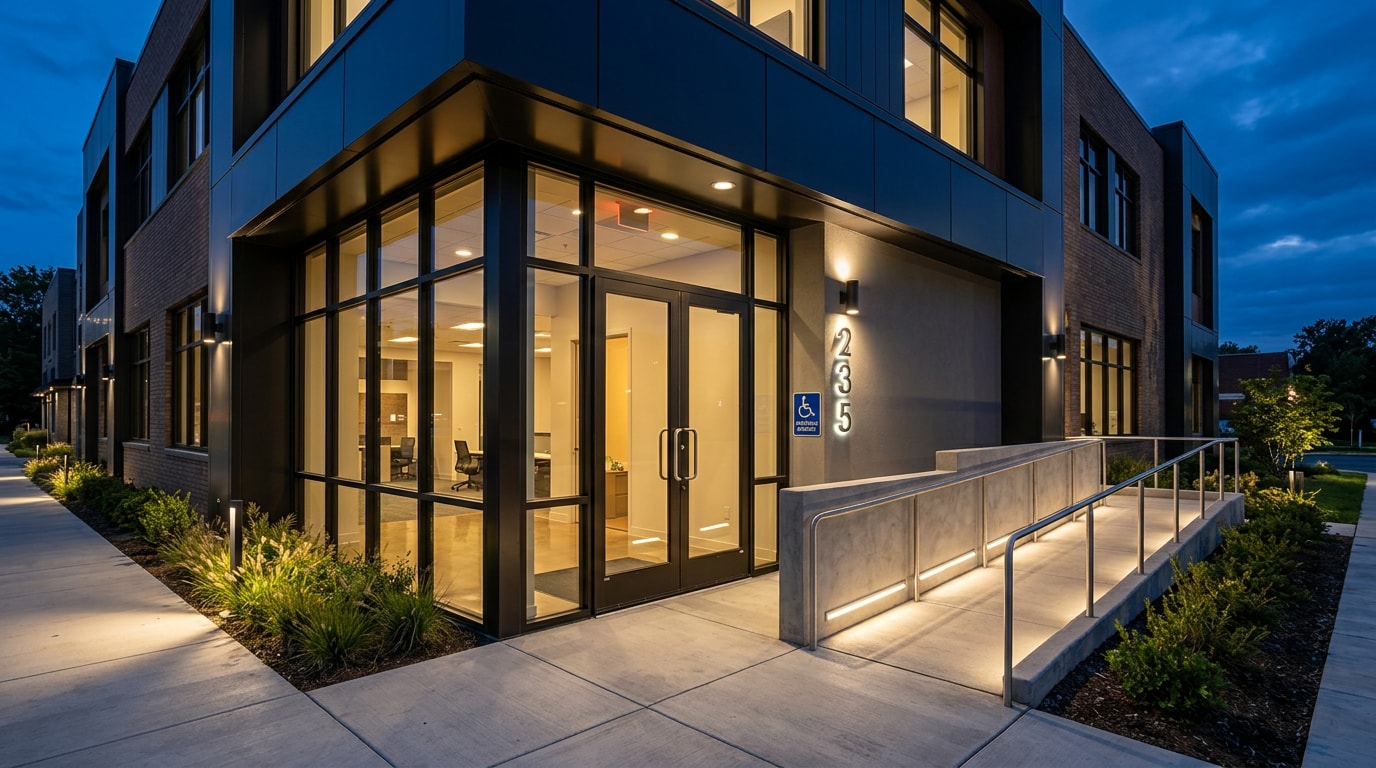
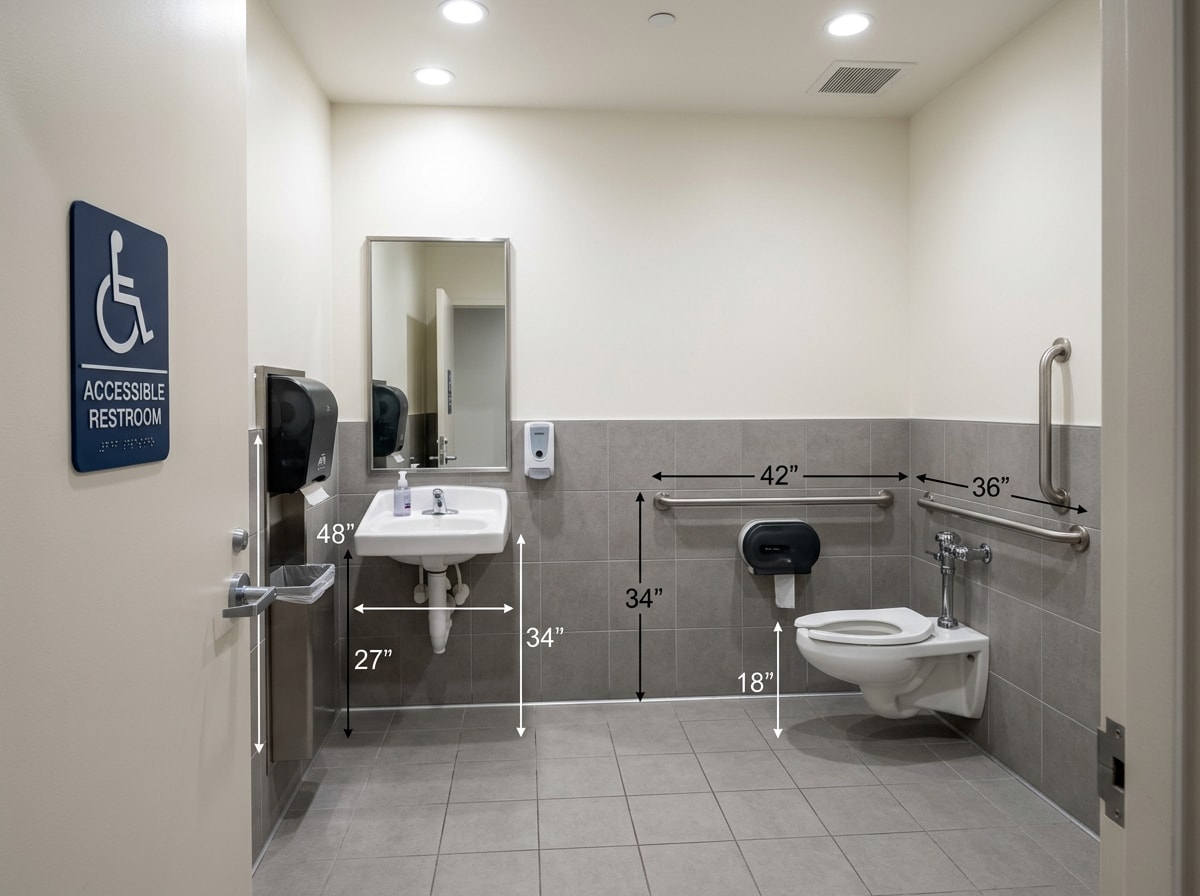
ADA compliance is not optional on new commercial construction or most alterations, and it's one of the biggest reasons commercial bids run higher than residential ones. The ADA requires that all new facilities built by public accommodations, including small businesses, must be accessible to and usable by people with disabilities. That standard touches restrooms, entrances, parking, counters, and paths of travel, and retrofitting any of it after walls are closed up is far more expensive than designing it in from the start.
A contractor who flags accessibility scope during bidding, rather than after demolition, is protecting your budget as much as your compliance. For projects that involve early sitework or grading ahead of a build-out, our site preparation services page covers what that phase typically includes.
Explore our homepage for an overview of how we structure commercial and residential projects across the San Gabriel Valley, or review our construction company services for a broader look at project management and build scope.
FAQ
What does a commercial general contractor do?
A commercial general contractor acts as the central coordinator for a construction project, managing subcontractors, permits, scheduling, and budget from start to finish. They're the single point of accountability between the property owner and every trade working on-site, from framing crews to electricians.
What license does a commercial contractor need in Los Angeles County?
Commercial contractors working in Los Angeles County, including La Cañada Flintridge, need an active Class B General Building Contractor license issued by the CSLB. Some commercial scopes may also require specialty C classifications depending on the trade involved.
How long does a commercial tenant improvement take?
Timelines vary widely, but most commercial tenant improvements take anywhere from a few weeks to several months, depending on scope, permitting speed, and whether the space is occupied during construction. Simple cosmetic upgrades move faster than projects involving structural or mechanical changes.
Is a Zoning Clearance required before a commercial building permit in La Cañada Flintridge?
Yes. Outside of standalone trade permits, the city requires a Zoning Clearance case number before it will accept a building permit application, and permitting is handled online through the city's ConnectLCF portal.
How much does a commercial general contractor charge?
Pricing depends on the contract model. Lump sum, cost-plus, and GMP arrangements each price differently, and the total also depends on scope, site conditions, and current material costs, so treat any flat percentage or per-square-foot figure as a starting estimate rather than a quote.
If you're ready to scope a commercial project in La Cañada Flintridge, request a free estimate and we'll walk through licensing, permitting, and budget before you commit to a bid.