Searching for a general contractor lawyer in Orange County, CA usually means one of two things: a payment is overdue, or a build has gone sideways. This guide walks through the disputes Orange County contractors and homeowners run into most, the deadlines that can sink an otherwise valid claim, and how working with a properly licensed contractor from day one keeps most projects out of court.
When You Actually Need a General Contractor Lawyer in Orange County
A general contractor lawyer in Orange County, CA is not interchangeable with a general business attorney. Construction law covers licensing rules, mechanic's lien deadlines, and defect liability that don't come up in most other industries.
You typically need one when:
- A client or owner refuses to pay for completed work
- A subcontractor walks off the job mid-project
- A homeowner alleges defective workmanship after move-in
- A contract dispute threatens to delay or stop a build
- A licensing complaint is filed with the Contractors State License Board
Common Legal Disputes Orange County Contractors and Homeowners Face
Most construction disputes in Orange County fall into three buckets: payment, defects, and delay. Understanding how each one works before signing a contract protects your cash flow and your timeline.
Mechanic's Liens and Payment Disputes
A mechanic's lien is a legal claim recorded against a property to secure payment when an owner fails to pay for labor or materials. It gives unpaid contractors and subcontractors leverage to collect.
Timing drives everything:
Nearly every lien claimant except the direct contractor must serve a preliminary notice within 20 days of first furnishing labor or materials to the project.
A direct contractor must record its lien within 90 days after completing the work, or within 60 days after the owner records a notice of completion.
If the owner records a notice of completion, direct contractors get 60 days to record a lien, while subcontractors and suppliers get only 30 days.
Missing either deadline can void lien rights entirely, even when the underlying debt is real.
There's also a payment-practice change worth knowing for 2026. Starting January 1, 2026, a new California law cuts the maximum retention withheld from private construction contracts to just 5%, down from the industry norm of 10%. That shift affects cash flow on every Orange County job signed after that date, and it's exactly the kind of detail a construction attorney should flag during contract review.
Construction Defect Claims
A construction defect is a flaw in design, materials, or workmanship that falls below accepted industry standards. California recognizes several categories:
- Design deficiencies — an inadequate drainage plan, for example
- Material deficiencies — substandard waterproofing products
- Workmanship defects — improperly installed framing
- Subsurface issues — unstable soil discovered mid-excavation
General contractors can be held liable even when a subcontractor performed the defective work, which is why California's adopted building standards often come up in these disputes.
Contract, Change Order, and Scope Disputes
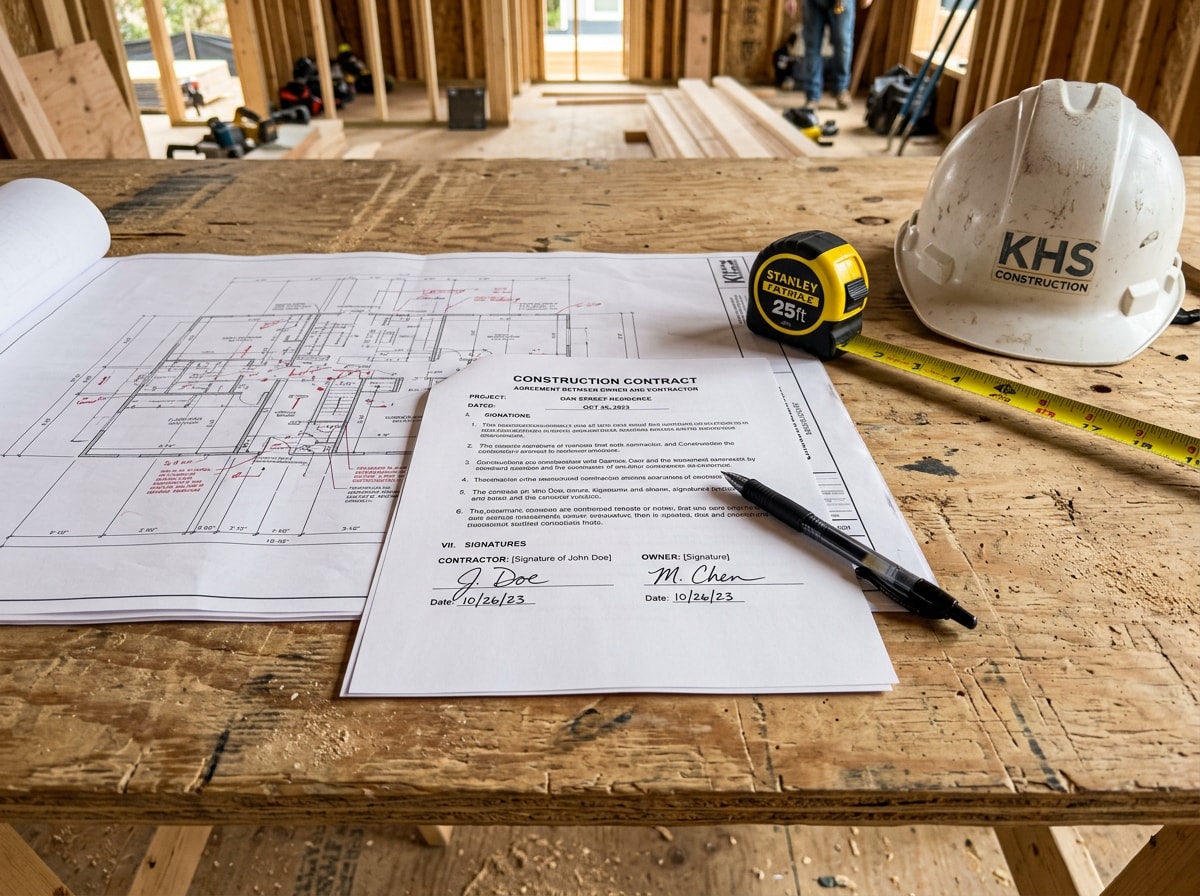
A breach of contract on a subcontractor agreement can stall a project as fast as an unresolved payment dispute. Change-order disagreements, undocumented scope changes, and unclear retention terms are the most common triggers. Written, signed change orders are the single best protection against this category of dispute.
Statutes of Limitations for California Construction Claims
California applies different limitation periods depending on the claim type, and missing one can bar an otherwise valid case.
| Claim Type | Limitation Period | Starts Running |
|---|---|---|
| Patent defect (visible on reasonable inspection) | 4 years | From discovery |
| Latent defect | 10 years | From substantial completion |
| Breach of written contract | 4 years | From the breach |
| Breach of oral contract | 2 years | From the breach |
California law generally bars latent-defect lawsuits more than ten years after substantial completion of the improvement. For the full statutory text, see Code of Civil Procedure Section 337.15.
How Working With a Licensed General Contractor Lowers Your Legal Risk
Most of the disputes above are preventable, not inevitable. The contractors who end up in front of a construction attorney are usually the ones who skipped a few basics up front.
Before signing anything:
- Confirm the contractor's license is active through the CSLB license check tool.
California law requires contractors to maintain $25,000 bonds and workers' compensation insurance, though homeowners should contact insurance carriers directly to confirm active coverage beyond CSLB records.
- Get every scope change in writing, signed by both parties, before work continues.
- Track retention percentages against the new 5% cap if your contract is dated 2026 or later.
- Keep preliminary notices and payment records organized from day one, not after a dispute starts.
At BuildersPathway, our Orange County project managers document every change order in writing and confirm subcontractor license status before work begins, a habit that keeps small disagreements from turning into lien claims. You can review completed work on our projects page or browse our general contracting services for the Orange County area.
How to Choose the Right Construction Attorney in Orange County
When you do need a general contractor lawyer in Orange County, CA, look past the ad and check the fundamentals:
- Construction litigation experience specifically, not general civil litigation
- A track record of cases in Orange County Superior Court
- Familiarity with CSLB licensing procedures and mechanic's lien law
- A clear fee structure explained before you sign an engagement letter
- A willingness to explain your options in plain language, not just legal jargon
If you're comparing how this plays out in a neighboring market, our guide to finding a general contractor attorney in Ventura County covers much of the same ground from a different jurisdiction's angle.
FAQ
What does a construction lawyer do?
A construction lawyer handles disputes tied to construction projects, including defects, payment issues, mechanics liens, and contract breaches, representing owners, contractors, subcontractors, and developers.
How can an Orange County construction lawyer help?
A construction lawyer can keep contracts clear and fair, handle disputes through negotiation, mediation, arbitration, or litigation, flag legal risks early, and help file or defend against liens and claims.
What are common construction litigation disputes in Orange County?
Common disputes include contract disagreements over scope or performance, nonpayment for completed work, construction delays, dissatisfaction with workmanship quality, mechanics lien claims, and construction defect claims.
How do I file a mechanic's lien in Orange County?
Filing involves three steps: sending required preliminary notices to the owner, prime contractor, and any lender; drafting the lien to meet state requirements; and recording it with the county recorder, then serving it on the owner and other parties.
What is the statute of limitations on construction defects in California?
Generally four years from discovery for patent defects, or up to ten years from substantial completion for latent defects. See the comparison table above for the full breakdown by claim type.
What are the causes of action for construction defects in California?
The usual causes of action are breach of contract, negligence, and breach of warranty. Which one applies depends on the facts, the contract terms, and who actually performed the defective work.
Whether you're dealing with a dispute or planning a project you'd rather keep out of court entirely, start with a contractor who does the paperwork right. Get a free estimate from BuildersPathway before your next Orange County project breaks ground.