Light builders Glendale, CA homeowners search for usually fall into two camps: contractors who build or remodel a home with lighting designed in from the start, and electricians who wire and mount the fixtures once the walls are open. Most projects need both, in a specific order. Get that order wrong and you'll be paying to open the same drywall twice.
Visit Builder's Pathway Inc to see our services and request a free estimate.
What Does "Light Builders" Actually Mean in Glendale?
There's no licensed trade called a "light builder" in California. The term usually describes a general contractor or remodeler who treats lighting as part of the build, not an electrician who only answers service calls.
That distinction matters because a general contractor plans circuits, switch locations, and fixture placement alongside framing, drywall, and cabinetry. An electrician then pulls the permit for the actual wiring and makes the final connections. On a kitchen remodel, bathroom addition, or custom home, the contractor usually leads that coordination.
Builder, Electrician, or Lighting Designer: Who Do You Actually Need?
California licensing separates these roles, and knowing which one applies saves a confusing bidding process.
- General contractor (B license): Oversees the whole project, including where lighting fits into framing, drywall, and finish work.
- Electrical contractor (C-10 license): Pulls the electrical permit, runs wiring, and makes final fixture connections.
- Lighting designer: Plans fixture types, placement, and mood, usually on higher-end custom builds.
For most Glendale remodels and additions, a single general contractor coordinates all three, bringing in a licensed electrical sub as needed. C-10 Electrical, B General Building, and A General Engineering licensees are eligible to apply for Glendale electrical permits, subject to the scope and restrictions of the license. If you're planning a renovation that touches wiring, start with our general contractor services rather than hiring a standalone electrician first.
Where Lighting Fits Into a Glendale Construction or Remodel Project
Lighting decisions get made at specific points in a build, not at the end. Here's where they actually happen.
Kitchen Remodels
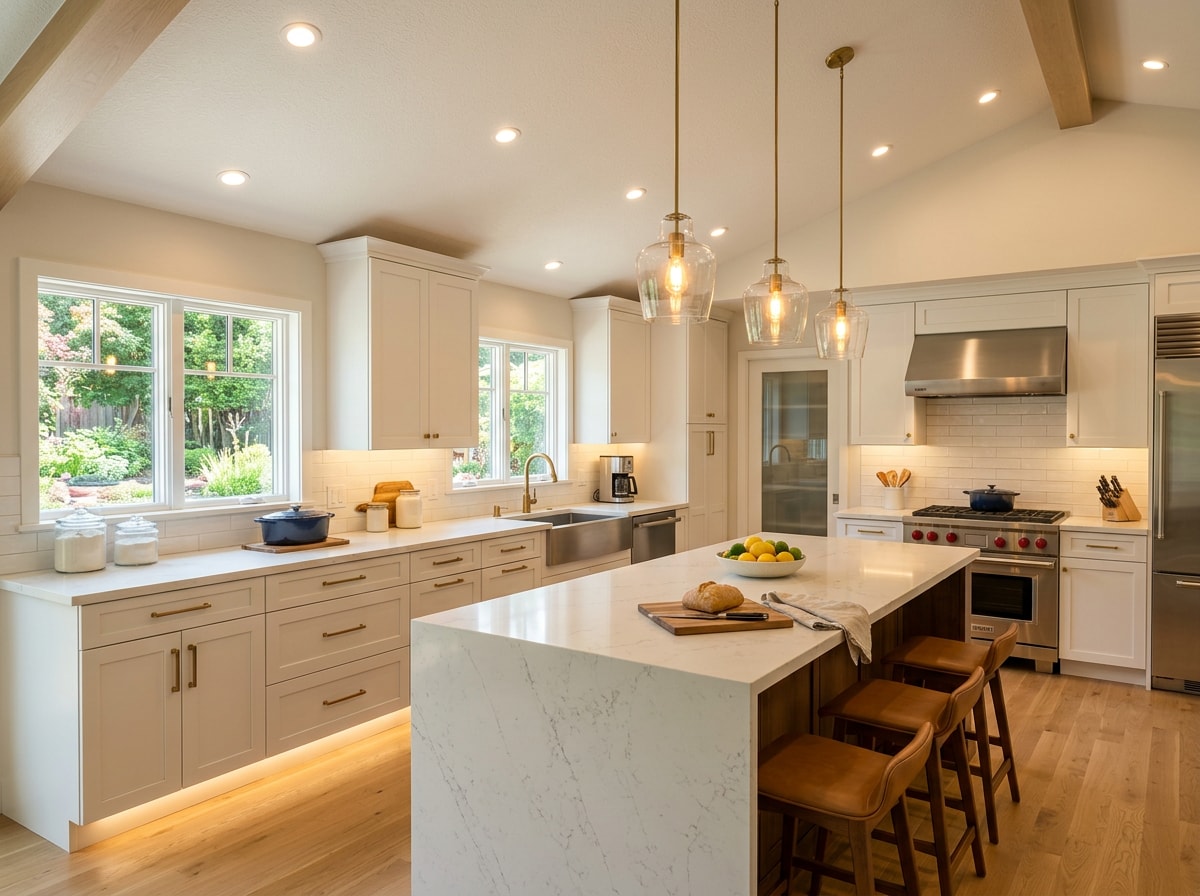
Under-cabinet lighting, island pendants, and recessed ceiling cans all need to be roughed in before drywall and cabinets go up. Our kitchen remodeling team coordinates fixture layout with custom cabinet installation and kitchen island installation so the electrician isn't drilling through finished surfaces later.
Bathroom Remodels
Vanity lighting, shower niches, and exhaust-fan-light combos all have code requirements tied to wet locations. See our bathroom remodeling and bathroom fixture installation pages for how that's sequenced.
ADU Builds
A detached ADU needs its own electrical panel or sub-panel planning before lighting layout gets finalized. Our ADU building service folds lighting into that early design phase instead of treating it as a punch-list item.
Custom Home Construction
On a ground-up build, lighting plans get drawn alongside the electrical plan set submitted for permit. Our custom home builder team and custom home building service handle that from the first set of drawings, not after framing is inspected.
Whole-Home Renovations and Hillside Lots
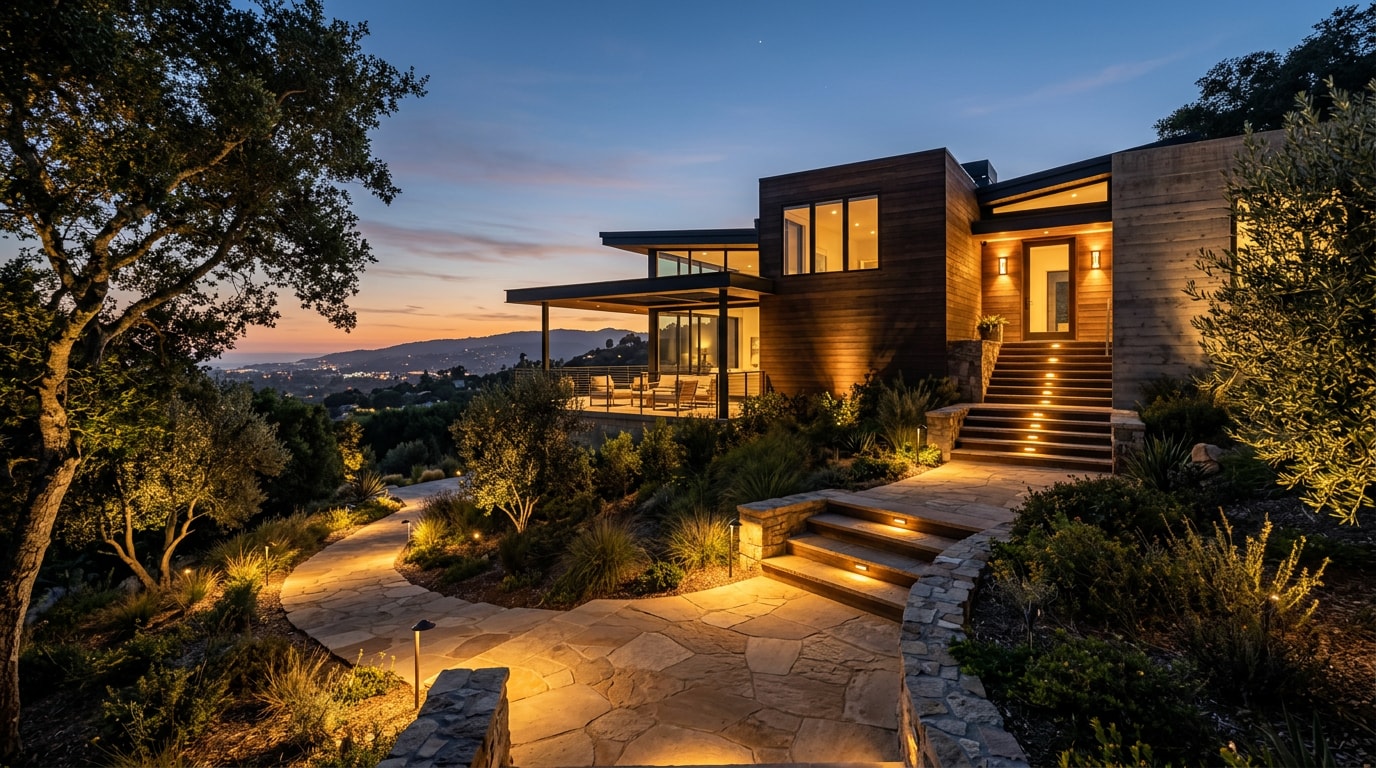
A broader home renovation often touches every room's lighting at once. On Glendale's hillside streets near La Crescenta and the foothills, grading and retaining work has to happen before exterior lighting trenches get dug. That's where site preparation comes in, and we've run into inspectors on hillside jobs who flag exterior circuits run before the final grade is approved, which means re-trenching if the sequence gets skipped.
Permits and Title 24: What Glendale Actually Requires
Permitting is where most "light builder" searches get complicated, because it depends on what's being installed and where.
For simple residential work, the Glendale Permits Portal covers simple residential online permits for outlets and lighting fixtures, smoke detectors, and branch circuits. Larger scopes, like a full kitchen rewiring or a new sub-panel for an ADU, go through a standard plan check instead of the online express process.
California's energy code adds another layer. Title 24 requires all permanently installed luminaires to be high efficacy, though night lights, step lights, and path lights are not required to meet the same product-listing standard as other fixtures. The code is updated on a cycle, and the 2025 Energy Code update took effect January 1, 2026, increasing the energy efficiency of new single-family homes, multifamily housing, and non-residential buildings, as well as additions and alterations to existing buildings. That means a lighting plan approved under an older cycle may not pass inspection on a permit submitted today. Confirm the current requirements through the California Energy Commission before finalizing fixture selections, and check current permit rules on the City of Glendale's permit portal before budgeting a timeline.
Low-Voltage vs. Line-Voltage Outdoor Lighting
Most exterior and landscape lighting in Glendale runs on one of two systems, and the choice affects both installation cost and inspection requirements.
| Factor | Low-Voltage (12V) | Line-Voltage (120V) |
|---|---|---|
| Typical use | Path lights, step lights, accent lighting, uplighting | Large floodlights, security lighting, some post lights |
| Wiring | Direct burial cable, no conduit required | Requires conduit and a dedicated circuit |
| Permit/inspection | Usually minimal | Typically requires an electrical permit and inspection |
| Safety near pools/planters | Lower shock risk | Higher risk, more restrictions near water |
| Flexibility | Fixtures easy to move or add later | Fixed once installed, harder to reconfigure |
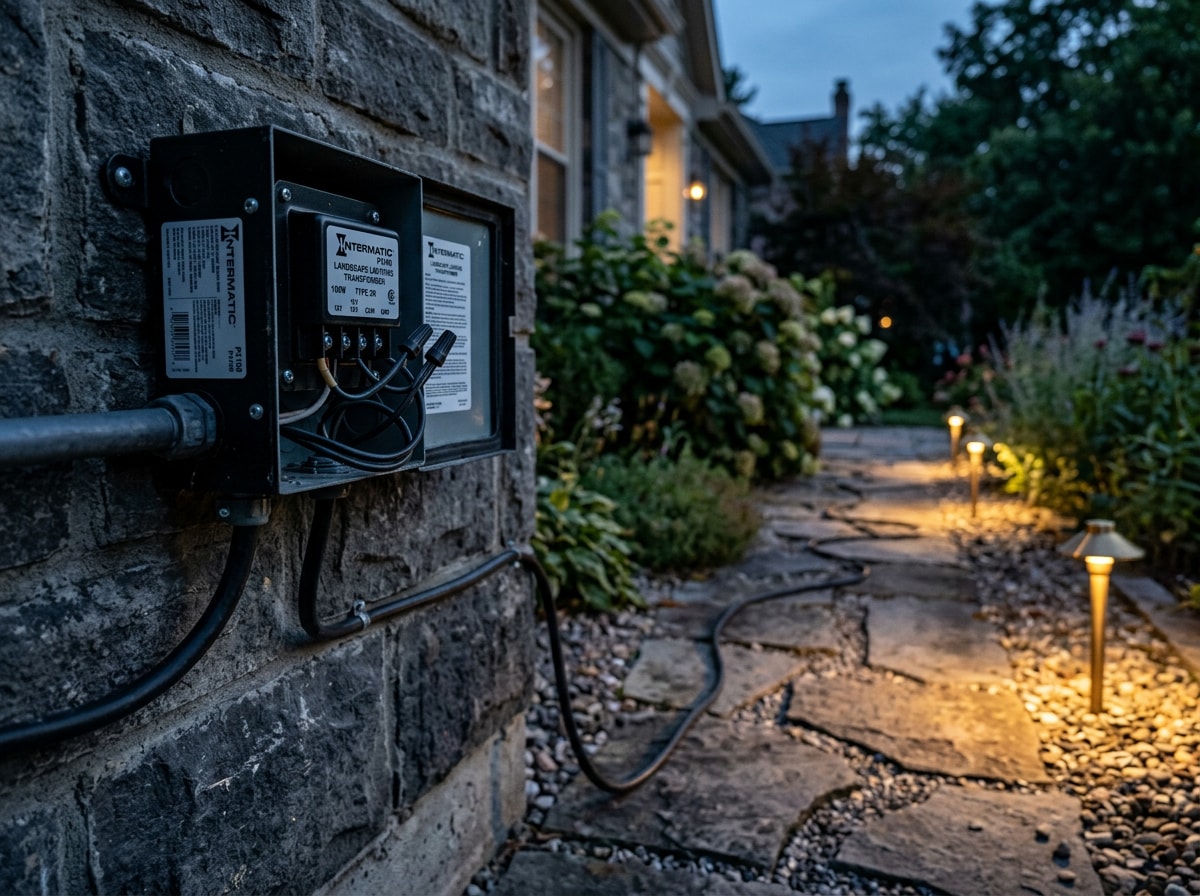
Low-voltage systems dominate residential landscape lighting because they're safer around pools and planting beds and easier to adjust without calling an electrician for every fixture move. Line-voltage still shows up for large floodlights and some architectural washes, but it needs conduit and a full inspection.
LED Conversions and Energy Payback
Switching an older halogen or incandescent exterior system to LED cuts energy use, though exact savings depend on fixture count and run time. ENERGY STAR qualified fixtures and bulbs use about 75% less energy and produce about 75% less heat than traditional lighting. Treat any specific dollar figure you see quoted elsewhere as a rough estimate, not a guarantee, since it depends heavily on how many hours the fixtures actually run each night.
How to Vet a Light Builder Before You Hire
A few checks before signing a contract prevent most disputes down the line.
- Verify the license. Use the CSLB license lookup tool to confirm the contractor's classification, bond, and standing before paying a deposit.
- Ask who pulls the electrical permit. If the general contractor doesn't hold a C-10, confirm which licensed electrical sub will file for it.
- Request a lighting plan on paper, not just a verbal walkthrough, before framing or drywall closes up access.
- Ask about Title 24 compliance directly rather than assuming the fixtures meet current code.
- Check completed work, not just renderings. Browse our project gallery to see finished lighting integrated into full remodels.
If a dispute comes up after the work is done, it helps to know your options in advance. Our guide on whether you can sue a general contractor in Glendale walks through what recourse homeowners actually have.
Ready to plan lighting into your next project instead of bolting it on afterward? Get a free estimate and we'll walk the property with you before anything gets priced.
Maintenance and Repairs
Outdoor lighting isn't a one-time install. Bulbs burn out, fixture housings corrode, and buried low-voltage connections loosen or corrode over a few seasons. A basic annual check, especially before summer when systems run longer each night, catches small failures before they turn into a full system replacement. If your Glendale property is part of a broader portfolio, our teams also serve nearby Pasadena, La Canada Flintridge, and Los Angeles County more broadly.
FAQ
What does "light builders" mean if it's not a licensed trade?
It's a search term, not a license category. It almost always refers to a general contractor who plans lighting into a build or remodel, as opposed to an electrician who handles only the wiring and final connections.
Do I need a permit for outdoor lighting in Glendale?
Often, yes. Simple fixture swaps on an existing circuit may qualify for an online express permit, but new circuits, sub-panels, or larger landscape lighting systems typically require a standard electrical permit and inspection through the city.
Is landscape lighting worth installing on my house?
For most Glendale homes, yes. It adds safety on steps and walkways after dark and highlights landscaping and architecture that would otherwise disappear at night.
How much does builder-installed lighting cost?
There's no single number. Cost depends on fixture count, whether new circuits are needed, and how much of the lighting is tied into a larger remodel. An on-site walkthrough is the only reliable way to price it.
Should I hire a general contractor or an electrician for lighting?
If lighting is part of a larger remodel, addition, or new build, start with a general contractor who will coordinate the licensed electrician. If it's a standalone fixture swap with no other construction involved, an electrician alone may be enough.
Is low-voltage or line-voltage lighting better for a Glendale yard?
Low-voltage is the standard choice for most residential landscape lighting because it's safer near pools and planting beds and simpler to adjust later. Line-voltage is reserved for larger floodlights or fixtures that need more output.