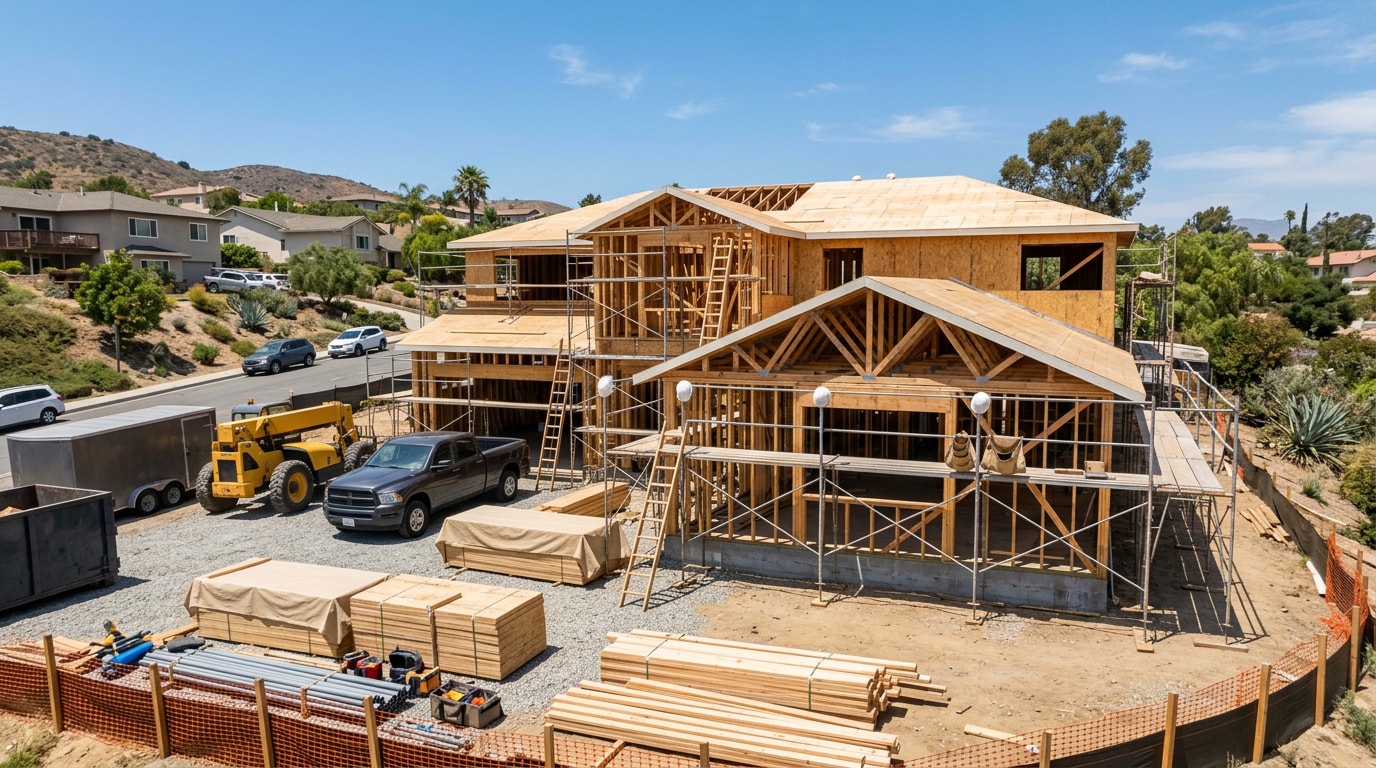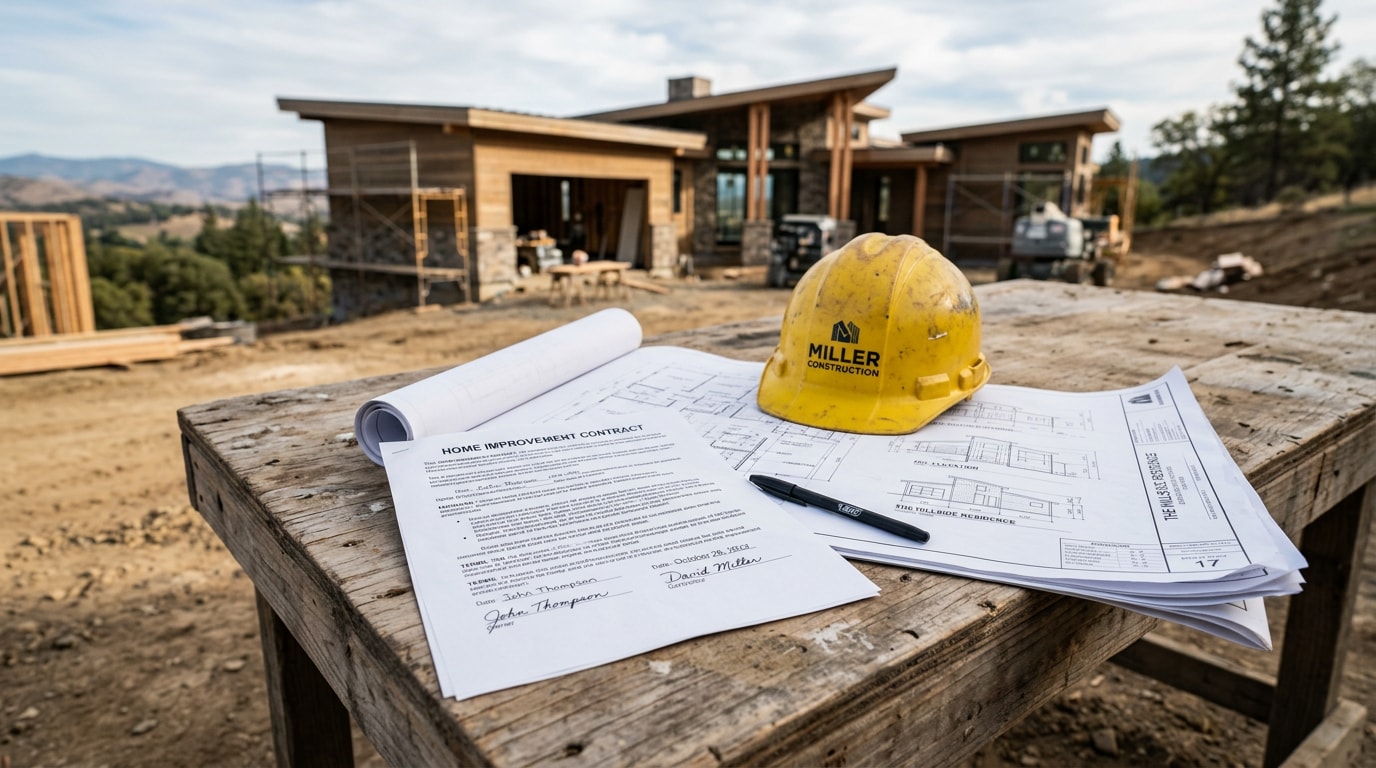

Questions to ask a general contractor in La Cañada Flintridge, CA need to cover more than price and timeline, because this city's hillside lots, HOA reviews, and fire-hazard zoning can derail a project that would move smoothly anywhere else. The right questions separate a licensed, insured professional who understands local permitting from someone who will leave you covering the cost of their mistakes. Our crews at Builders Pathway have pulled permits for hillside additions and remodels in this exact foothill terrain, and the questions below come directly from that fieldwork.
Are You Licensed and Bonded in California?
Verifying that a general contractor is licensed and bonded in California comes down to three checks: an active CSLB license in the correct classification, a current license bond, and insurance that matches your project's scope. Homeowners can confirm all three in minutes using the state's free lookup tool before signing anything.
Licensing is the single most important filter when screening a general contractor in La Cañada Flintridge. A contractor who can't produce a current, verifiable license number shouldn't make it past your first phone call, no matter how polished their portfolio looks.
In California, most residential remodeling and new-construction work requires a Class B general contractor license, which covers projects involving two or more unrelated building trades. To get a Class B general contractor license, which covers most residential remodeling work, someone needs at least four years of journey-level experience in construction. Simply asking "are you licensed?" isn't enough. You want the number, and you want to verify it yourself.
Verification takes about two minutes. Here's what to check on the license record:
- Status reads Active, not Expired or Suspended
- Classification matches your project (Class B for most remodels)
- Bond amount and expiration date are current
- Complaint and legal action history on the same record
Every licensed contractor must post a $25,000 bond, which protects consumers if the contractor violates their contract or causes financial harm. An expired bond automatically suspends a license, even if the contractor doesn't realize it yet. Being licensed and bonded isn't a one-time credential; it's a status that can lapse, so verify it close to your project start date using the CSLB's official license lookup tool, not just at your first meeting.
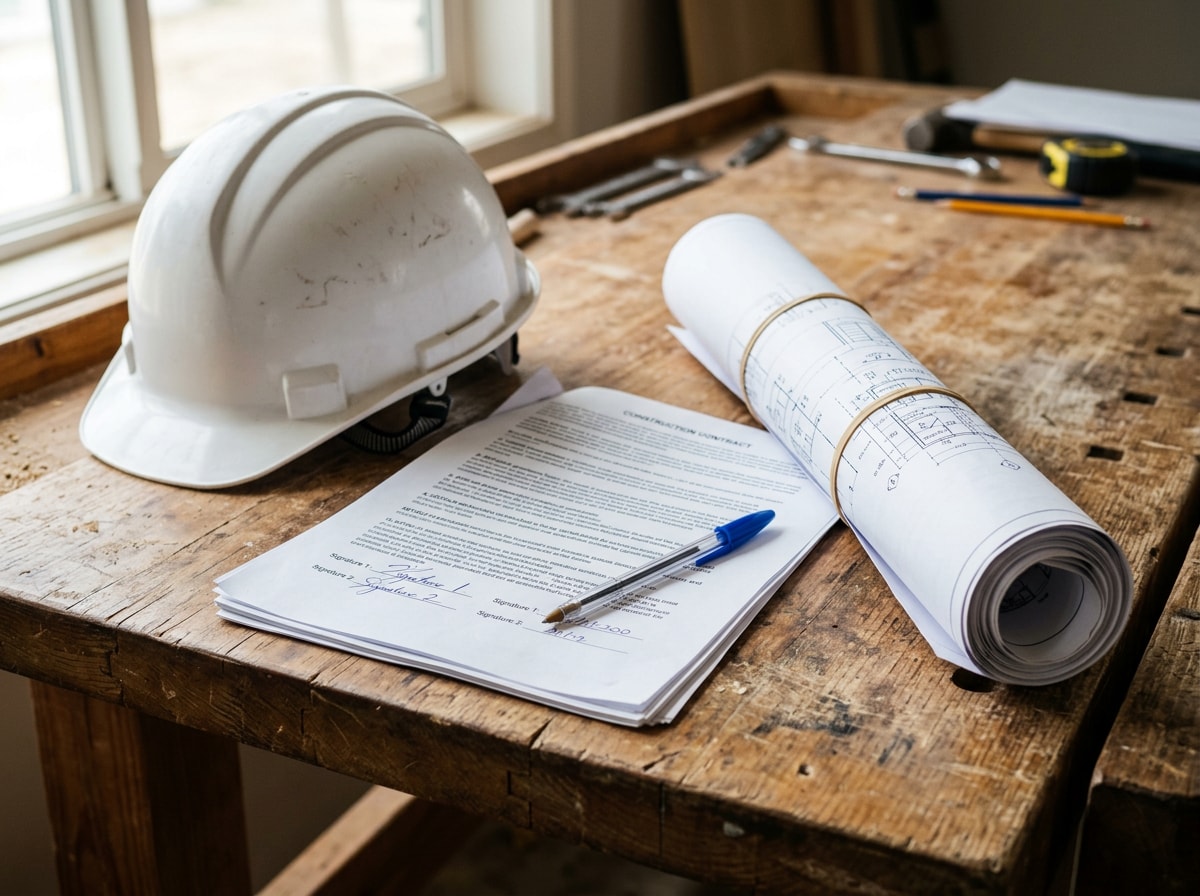
Do You Carry Liability Insurance and Workers' Compensation?
Licensing confirms a contractor is legally allowed to work in California. Insurance confirms you won't be financially responsible if something goes wrong on your property. Both should be current before anyone steps onto your job site.
General liability covers property damage, while worker's compensation covers injuries to their crew on your property, protecting you from being held liable. A cracked window, a fire from faulty wiring, or a neighbor's fence damaged during demolition falls under general liability. Medical costs and lost wages for an injured worker fall under workers' comp instead.
California employers are required by law to have workers' compensation insurance, even if they have only one employee. Skipping this isn't a minor paperwork gap, either. The state issues penalties of up to $100,000 against illegally uninsured employers , and an uninsured worker injured during your remodel can leave you exposed to that liability.
Even for a "small" project, ask to be named an additional insured on the contractor's general liability policy for the duration of the job. This adds you as a protected party on their certificate of insurance rather than relying on a verbal promise. A reputable contractor will produce this document within a day or two of the request.
Experience and Fit Questions
A valid license and insurance only confirm a contractor is legally allowed to work. They say nothing about whether that contractor is the right fit for your specific project. Contractor experience on jobs similar to yours tells you far more about project fit than years in business alone.
Can I Speak With Three Recent Past Clients Whose Projects Match Mine in Scope?
Asking for references is standard advice, but most homeowners stop at "do you have references?" and never actually call them. Ask for three past clients whose project scope closely resembles yours, then ask each one:
- Did the final cost match the original estimate? If not, why?
- How were change orders handled and communicated?
- Did the crew show up reliably and keep the site reasonably clean?
- Would you hire this contractor again for a comparable project?
References who hesitate, dodge specifics, or only offer vague praise are worth a second look. Reading a contractor's own project history alongside these calls gives you a fuller picture before you commit.
How Many Projects Like Mine Have You Completed in the Last 24 Months?
Total years in business sounds reassuring, but it can mask a gap in recent project experience. A contractor with two decades in the trade who hasn't tackled a similar project recently may be rusty on current material costs, code updates, or subcontractor relationships your job needs.
Ask directly how many comparable projects they've completed in the last 24 months. A contractor with a strong, current track record in your project type will usually answer with specifics: addresses, approximate budgets, even photos. Vague answers or a long pause often mean the contractor is stretching their experience to fit your project.
Have You Worked in My Jurisdiction, HOA, or Hillside Zone Before?
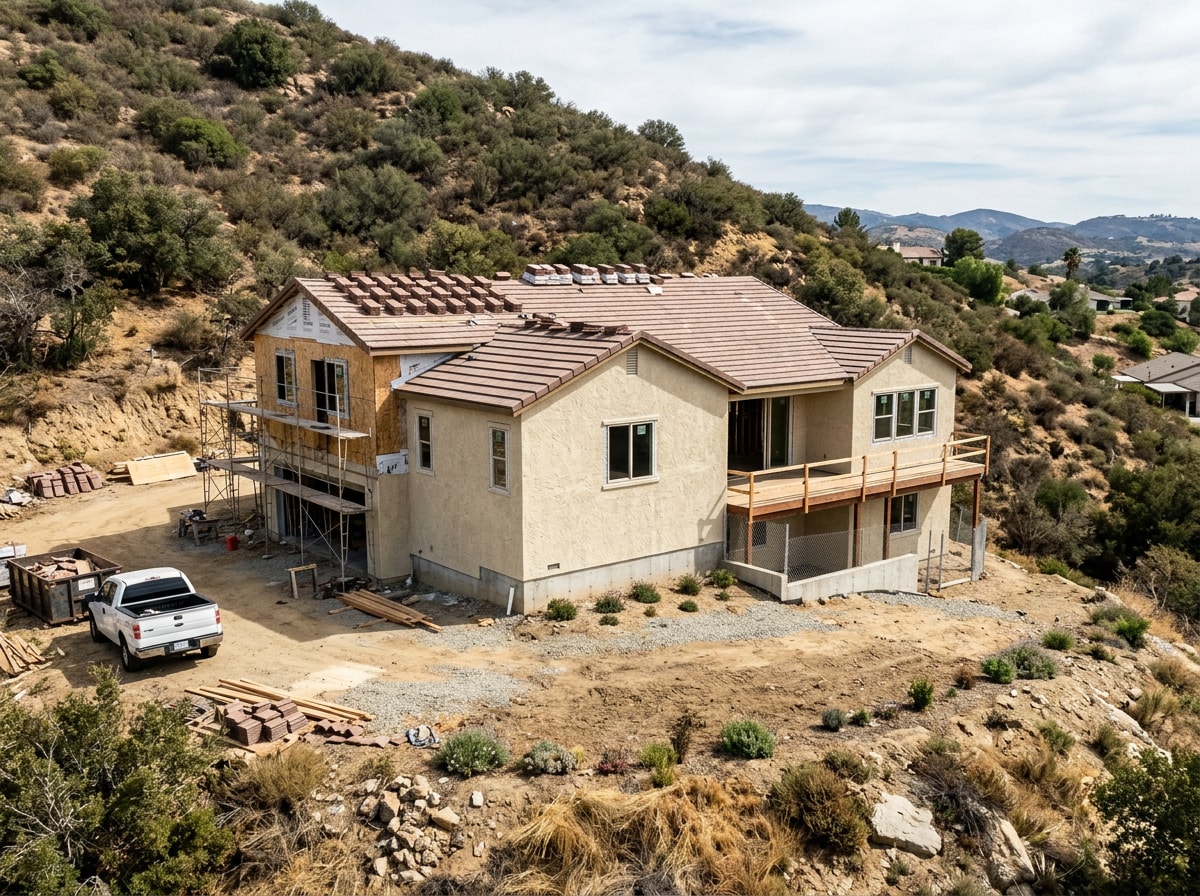
La Cañada Flintridge presents code and approval challenges that a contractor who mostly works in flatland LA neighborhoods may not have encountered. Experience here directly affects how smoothly your permits move and whether your project avoids costly redesigns.
Much of the city sits within a high or very high fire hazard severity zone, placing many homes inside the wildfire-urban interface. Areas designated as Very High or High Fire Hazard Severity Zones are the most likely to experience wildfire , and projects in these zones face added requirements for ignition-resistant materials, roofing, vents, and defensible-space clearance. A contractor unfamiliar with these rules may spec standard materials that fail inspection. Check the CAL FIRE Fire Hazard Severity Zone viewer to see which zone your property falls into before finalizing material choices.
Many neighborhoods also require HOA approval or architectural review before permits are issued, and the foothill terrain here means grading often triggers extra site preparation, drainage, and geotechnical review. Ask any contractor you're considering whether they've navigated La Cañada Flintridge's building codes, HOA submittals, and local permitting before, not just somewhere in Los Angeles County generally. See our La Cañada Flintridge service area page for examples of local hillside and fire-zone projects completed nearby. If you're also interviewing design professionals, our guide to hiring a custom home architect in La Cañada Flintridge covers that side of the vetting process.
Team and Management Questions
Who actually shows up to run your project day-to-day often matters more than who signed the contract. Ask who will serve as your primary on-site contact. Is it the same person who gave you the estimate, or will a separate project manager handle daily supervision?
Find out how often the owner or project manager will physically be on-site versus checking in by phone. For larger remodels, daily supervision by someone with real decision-making authority prevents small issues from becoming expensive change orders.
Also ask about subcontractor management: how subs are vetted, whether they're long-term crew or hired fresh for each job, and who's accountable if a sub's work fails inspection. A contractor who can clearly describe their general contracting process for managing crews is usually more organized behind the scenes than one who gives a vague answer.
What Does the Project Timeline Look Like, in Writing?
A verbal estimate of "a few months" isn't a schedule, it's a guess. Ask for a written schedule that breaks the project into phases: demolition, rough work, inspections, finishes, and punch list. A detailed timeline gives you a way to flag delays early instead of wondering, three months in, whether things are on track.
Typical phase lengths vary by project type:
| Project Type | Typical Timeline After Permits |
|---|---|
| Kitchen remodel | 6–10 weeks |
| Full bathroom gut | 4–6 weeks |
| ADU | 4–8 months, including permitting |
In the Los Angeles area, permitting delays can add weeks or months on top of construction time, especially for projects requiring HOA sign-off or hillside grading review, both common here. For a full breakdown of what's involved in building an accessory dwelling unit or other remodeling work, ask your contractor to walk through their typical phase order before you sign.
Beyond the schedule, ask how the contractor's current workload might affect your start date. A contractor juggling several large active jobs may not be able to dedicate a full crew to your project right away, even with the best intentions.
Process and Contract Questions
A handshake and a verbal understanding don't hold up when a dispute arises. The written, itemized contract does. Before any work starts, you should have a detailed scope of work, material specifications, and payment terms in a single written agreement both parties sign.
Who Pulls the Permit, and on Whose License?
Building permits should be pulled on the contractor's own license, not yours. If a contractor asks you to pull the permit yourself, treat it as a warning sign. It often means they're unlicensed, underinsured for the scope of work, or trying to shift legal accountability onto you if an inspection fails.
When the contractor pulls the permit under their own license, they're the party on record with the city's building and safety department, responsible for correcting failed inspections and meeting code. This matters even more here, where hillside grading and fire-zone requirements add extra inspection checkpoints beyond a standard remodel.
Since 2006, California has adopted the International Building Code as its model building code , with state and local amendments layered on top. Ask the contractor to walk you through which permits your project needs and roughly how many inspections to expect.
Payment and Warranty
Homeowners rarely regret asking too many questions about licensing, but payment structure and warranty coverage are the two areas where unclear expectations cause the most after-the-fact frustration. Get specifics on both before signing, not after the first installment is due.
What Is the Payment Schedule, and Is It Tied to Milestones?
A fair payment schedule ties each installment to a completed phase of work, not to the calendar. Common structures link payments to milestones like permit issuance, completed framing, rough inspections passed, and final completion.
A down payment should never exceed 10 percent of the contract price or $1,000, whichever is less. If a contractor asks for significantly more upfront, that's worth questioning directly. Milestone payments protect both sides: the contractor gets paid for completed work, and you avoid funding work that hasn't happened yet.
Ready to compare a real proposal against these standards? Request a free estimate and ask our team to walk through a milestone-based schedule for your project.
What's in Your Warranty, and How Does It Work?
A workmanship warranty should spell out exactly what's covered, for how long, and what voids it. Most reputable contractors offer one to two years on labor and workmanship, separate from manufacturer warranties on materials like appliances, roofing, or windows, which typically run longer and are handled through the manufacturer.
Ask what's excluded. Normal settling cracks, homeowner-caused damage, and lack of maintenance are common carve-outs. Find out how to file a claim: is there a phone number, a written request process, a response-time commitment? A warranty that sounds great verbally but isn't documented anywhere is hard to enforce later.
Also ask whether the warranty is transferable if you sell the home within the coverage period. A transferable warranty can be a selling point for future buyers and signals that the contractor stands behind the work regardless of who owns the property.
Questions a Good Contractor Will Ask YOU
A strong contractor interview goes both directions. A genuinely engaged contractor should ask about your budget flexibility, how you plan to live in the home during construction, your priorities if trade-offs come up between cost and finish quality, and whether you've worked with a contractor before.
These questions signal that the contractor plans to scope your project accurately instead of guessing. Someone focused only on getting a signature tends to ask fewer questions, while someone planning for a smooth build wants to understand your expectations upfront.
A contractor who asks nothing beyond "what's your budget?" is a soft red flag. Not necessarily disqualifying, but worth noting alongside everything else you've learned during vetting.
FAQ
What Is the Most Important Question to Ask a General Contractor?
If you only ask one question, make it about licensing: "What's your CSLB license number, and is it active for a Class B classification?" Licensing is the gateway to everything else. A contractor without a valid, current license likely doesn't carry the required bond or insurance either. Confirming this first narrows your list quickly before you invest time discussing design or budget details.
How Do I Verify a Contractor's CSLB License?
Search the Contractors State License Board's online database by license number or business name, then confirm the status reads active, the classification matches your project, and the bond and insurance sections show current coverage. This takes about two minutes and should happen before signing anything. While you're there, check the complaint and legal action history listed on the same record.
What Payment Schedule Is Fair on a Remodel?
A fair schedule ties each draw to completed, inspected work rather than arbitrary dates, starting with a capped deposit and ending with a meaningful final payment withheld until the punch list is fully closed out. Holding back 5-10% of the contract value until every item on the final walkthrough list is resolved gives you real leverage to get small fixes finished.
How Should a Contractor Handle Change Orders?
Every change order should be in writing before the work starts, with the added cost and schedule impact spelled out and signed by both parties. If a contractor wants to proceed on a verbal "yes" and settle the price later, that's a red flag. Written change orders protect you from surprise charges at final payment and give you a paper trail if a dispute comes up.
Do I Need to Pull My Own Permit?
No. A licensed contractor pulls permits under their own license for work within their scope. If a contractor asks you to pull the permit yourself, that's typically a sign they're unlicensed for the work, underinsured, or trying to shift liability for failed inspections onto you.