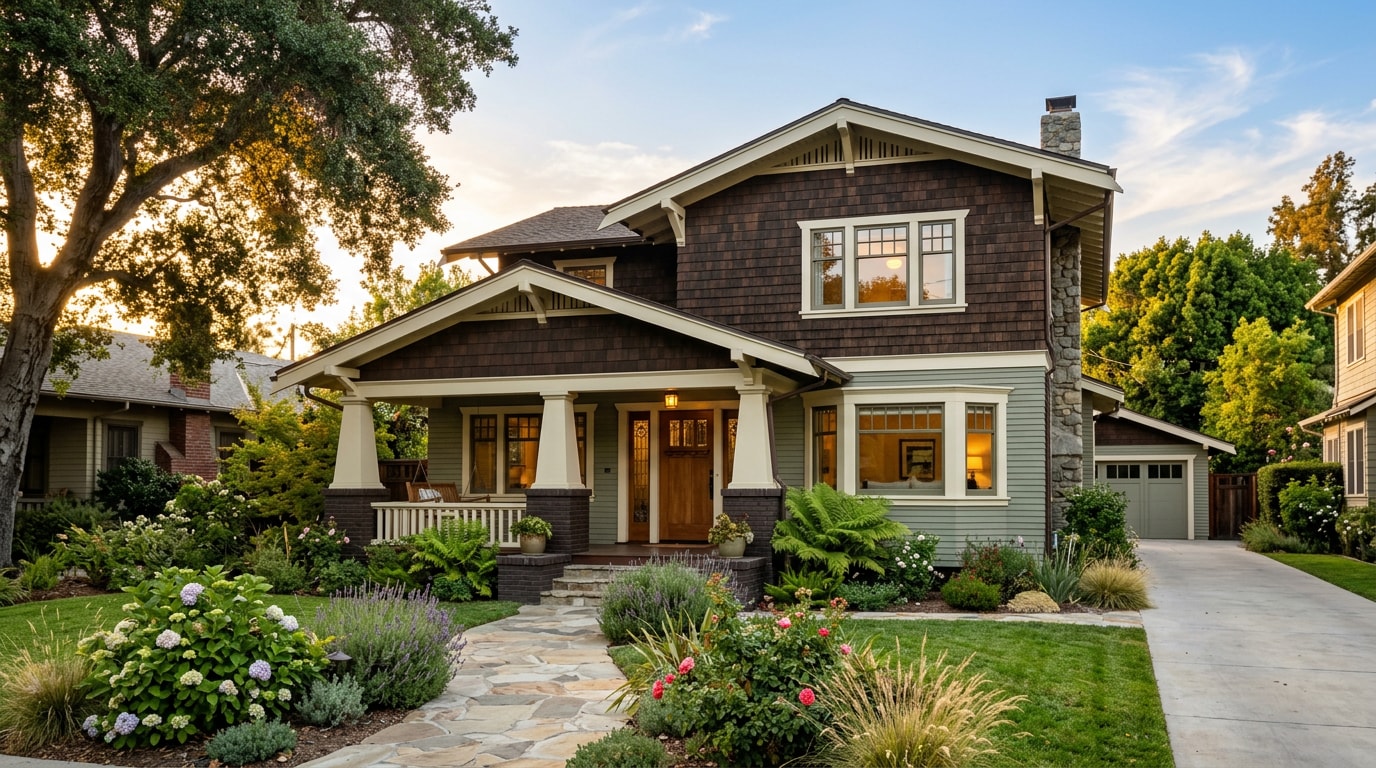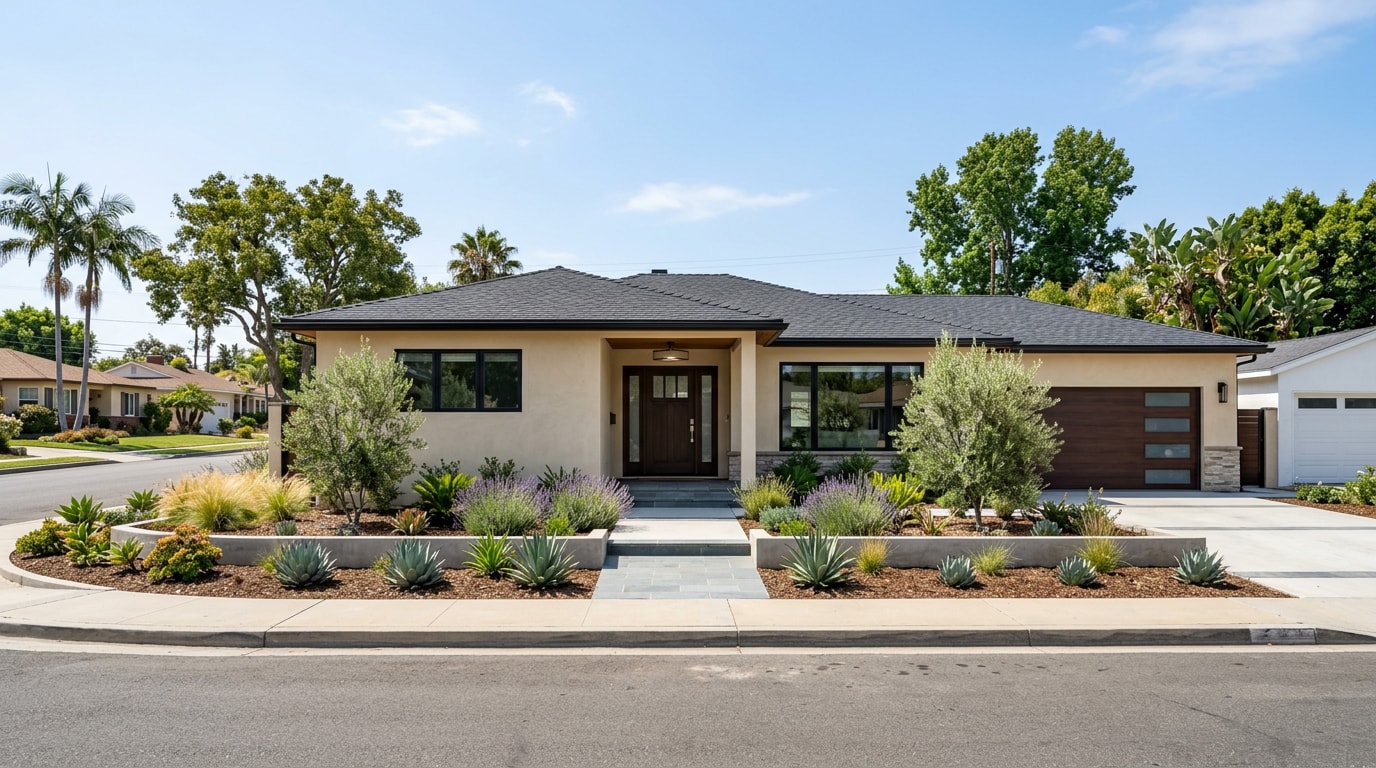
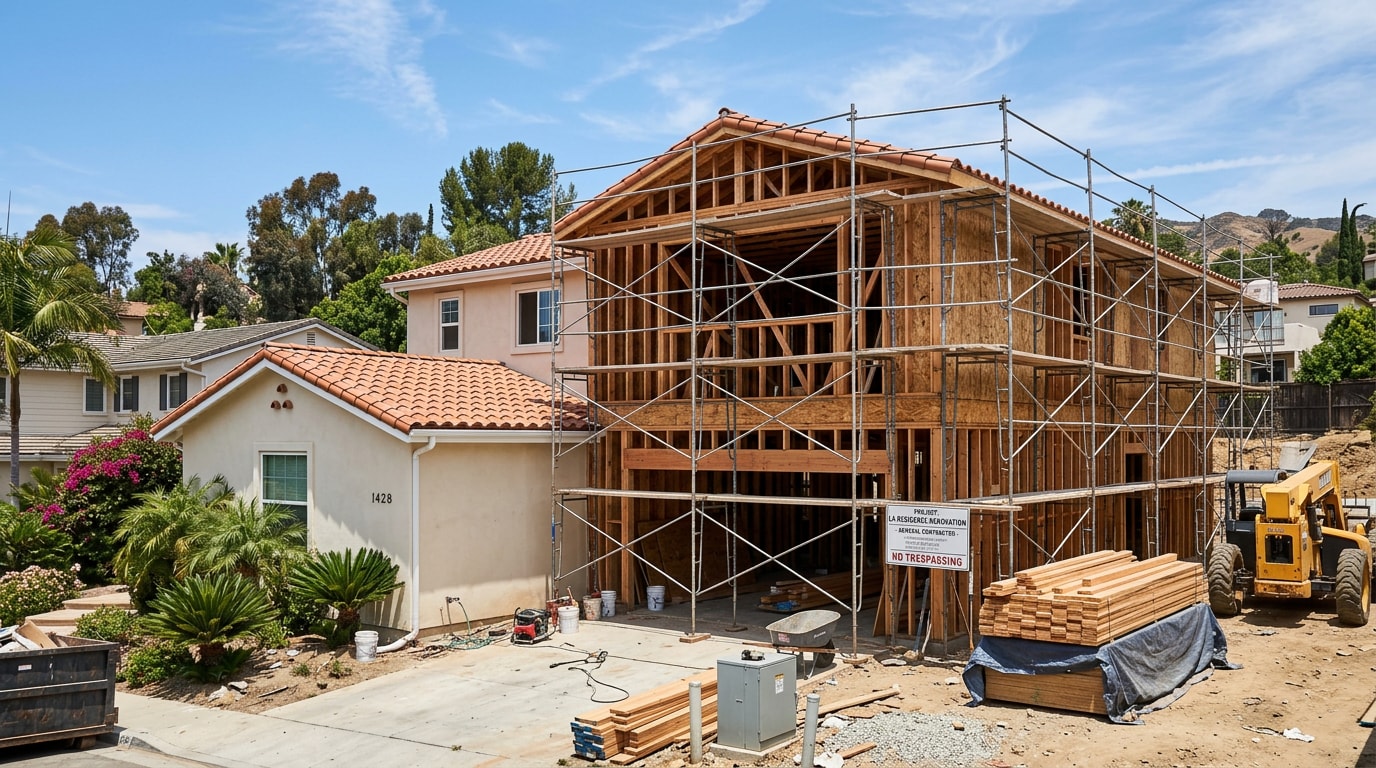
Residential general contractor services in Los Angeles County, CA cover everything from a single-room remodel to a ground-up custom build, and the right hire depends on licensing, pricing structure, and permit jurisdiction. This guide breaks down current 2026 costs, the CSLB checks LA County homeowners actually use, and the permit rules that differ depending on which city your property sits in. By the end, you'll know exactly what to ask before signing a contract.
Our team at Builders Pathway coordinates residential projects across LA County year-round, and the pricing patterns and vetting questions below come directly from bids and permit filings we handle on those jobs. If you want a project-specific number instead of a range, get a free estimate and we'll walk through it with you.
What Does a General Contractor Do?
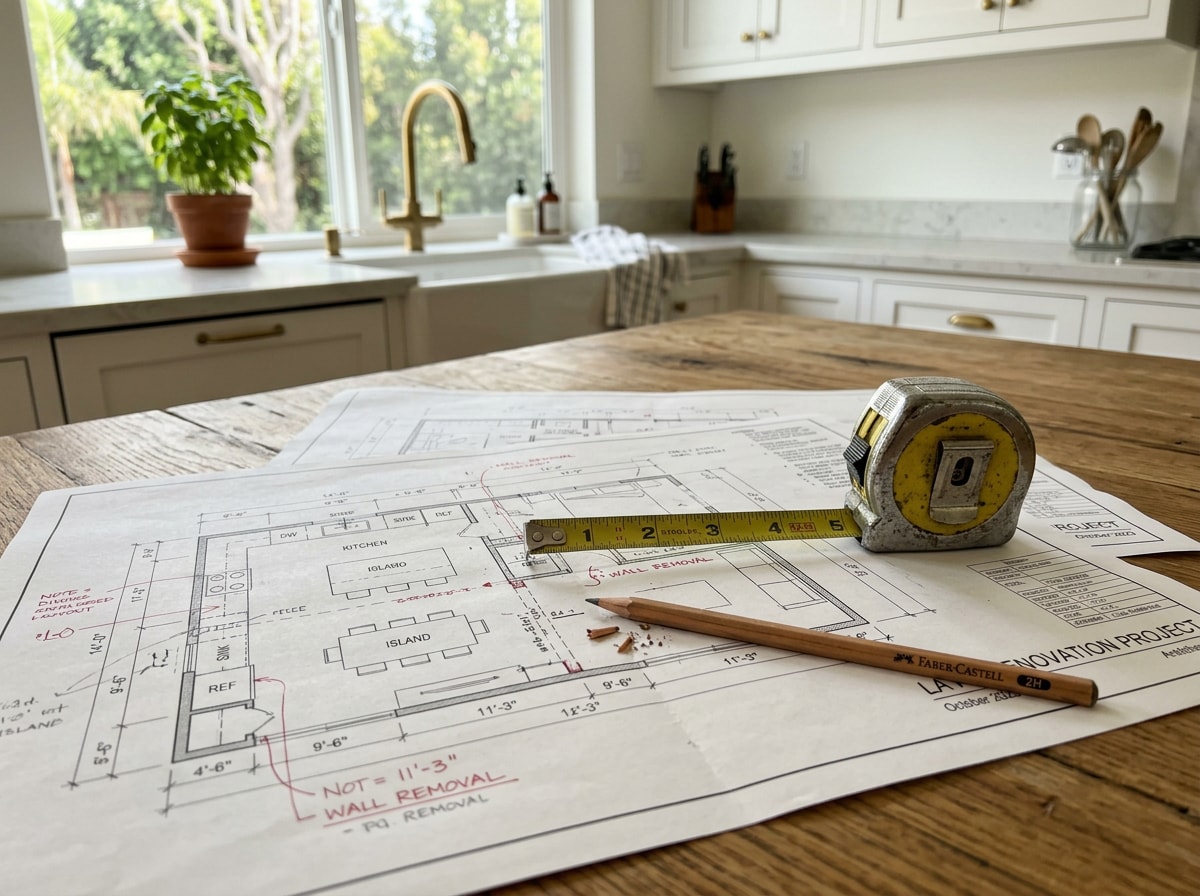
A residential general contractor acts as the single point of contact for a renovation or build. That means hiring and coordinating subcontractors, scheduling trades, pulling permits, sourcing materials, and confirming everything meets local code. Instead of managing five separate specialists yourself, a general contractor handles the sequencing and quality control from demo to final walkthrough.
This is different from a specialty or trade contractor, who handles one scope, such as electrical or roofing, and typically works under the GC's schedule rather than running the whole job. Subcontractor coordination and day-to-day project management are the core of what you're paying for.
A GC's oversight typically spans several linked services on a single job, including:
- General contracting and overall project management
- Custom home building for ground-up projects
- Home renovation for whole-house updates
- ADU building for garage conversions and detached units
- Site preparation before framing begins
For additions or new builds, that oversight extends further into structural trades like interior framing, drywall installation, and interior finishing, all scheduled under one contract instead of five.
How Much Does a General Contractor Cost in Los Angeles County?
Pricing swings based on project type, how many trades are involved, and how your contractor structures fees. Here's a 2026 planning range across the most common residential project types in the county.
| Project Type | Typical 2026 Cost Range |
|---|---|
| Bathroom remodel | $18,000 – $45,000 |
| Kitchen remodel | $35,000 – $95,000 |
| Room addition | $60,000 – $180,000 |
| ADU (detached or garage conversion) | $150,000 – $350,000 |
| Whole-home remodel | $150,000 – $500,000+ |
These figures move with finish level, square footage, and site conditions, so treat them as planning ranges rather than quotes. Homeowners planning a kitchen remodel or bathroom remodel should also budget separately for finish upgrades like cabinetry or tile, since those line items shift a bid more than most homeowners expect.
If you're planning a second-story addition specifically, permit and structural costs run higher than a single-story room addition. Our Second Story Addition Contractors guide breaks down that cost range and the permit sequence in more detail.
How General Contractors Price Their Services
Most residential contractors in LA County price jobs one of three ways.
- Fixed-price contract: One total cost upfront based on agreed-upon plans. Predictable, but less flexible if scope changes mid-project.
- Cost-plus contract: Bills actual material and labor costs plus a contractor fee, often in the 15–25% range for overhead and profit. Suits projects where scope may shift.
- Hourly or percentage-based billing: Less common for full remodels, sometimes used for smaller or open-ended scopes.
On our own ADU bids this year, cost-plus contracts have become more common specifically because lumber and appliance pricing keeps shifting mid-permit, and a fixed number signed six months before groundbreaking often doesn't hold up. When comparing bids, make sure you're comparing the same fee structure across quotes. A lower fixed-price bid isn't necessarily cheaper than a cost-plus bid if it excludes items the other includes. Ask each contractor to itemize what's covered.
Do You Need a General Contractor for Your Project?
Single-trade jobs, like a bathroom fixture swap, interior painting, or a fence repair, usually don't require a GC. You can hire that trade directly. The question of whether you need a general contractor typically comes down to how many trades your project touches at once.
Kitchens, bathroom remodels, additions, ADU garage conversions, and whole-home remodels almost always involve plumbing, electrical, and framing working together. That's exactly where GC oversight prevents scheduling conflicts and costly rework. As a loose rule of thumb, many contractors use roughly $15,000 or two-plus trades as the threshold for bringing in a GC. It's a guideline, not a hard cutoff, since a small project in an older home can still get complicated fast.
How to Choose the Right General Contractor in LA County
Vetting is a multi-step process, not a gut-check phone call. Before signing anything, run through licensing, insurance, references, and a few warning-sign checks below.
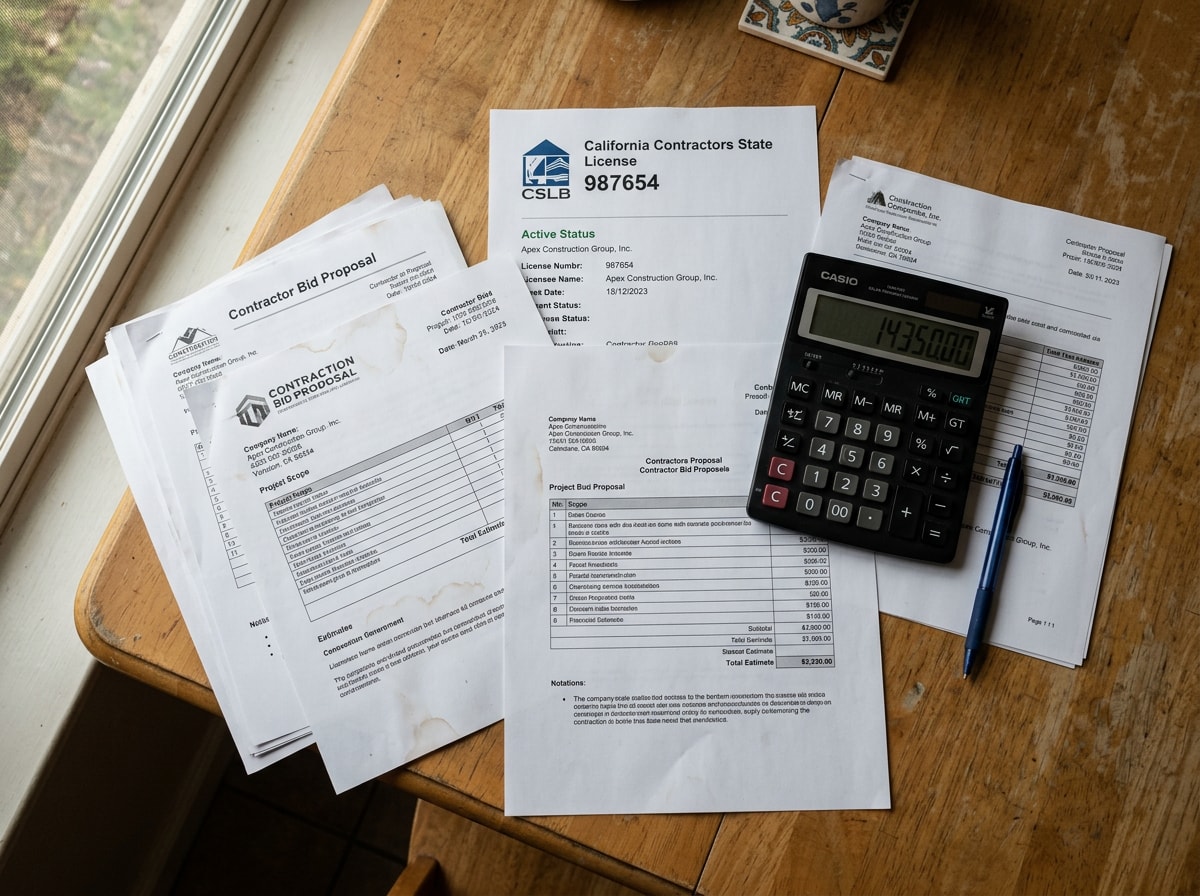
How to Verify a Contractor's CSLB License
To verify a California contractor, look up their license number and confirm it's active, matches the correct classification (B for general building, C-## for specialty trades), and shows current bond and insurance coverage. This check takes a few minutes and should happen before you sign anything.
An active license alone doesn't guarantee good workmanship, though. Pair it with a review of past project photos, our own completed project gallery is a good example of what to ask for, and a couple of direct reference calls. Use the California Contractors State License Board's consumer resources to confirm status, bond, and insurance before hiring anyone claiming to be licensed and insured.
Red Flags to Watch For When Hiring
A few warning signs show up consistently across problem contractor relationships:
- Refusing to give a license number
- Demanding a large payment before work starts
- Skipping a written contract
- Pressuring you to sign on the spot
Any one of these is worth pausing over. California law limits upfront deposits specifically to protect homeowners from this kind of pressure, and we cover the exact cap in the FAQ below. The general risk with an unlicensed contractor is straightforward: no license means no bond protection and limited legal recourse if something goes wrong on the job.
Permits, Licensing & Project Timelines in Los Angeles County
Permitting directly affects how long your project takes, since plan check and inspections happen on the jurisdiction's schedule, not the contractor's.
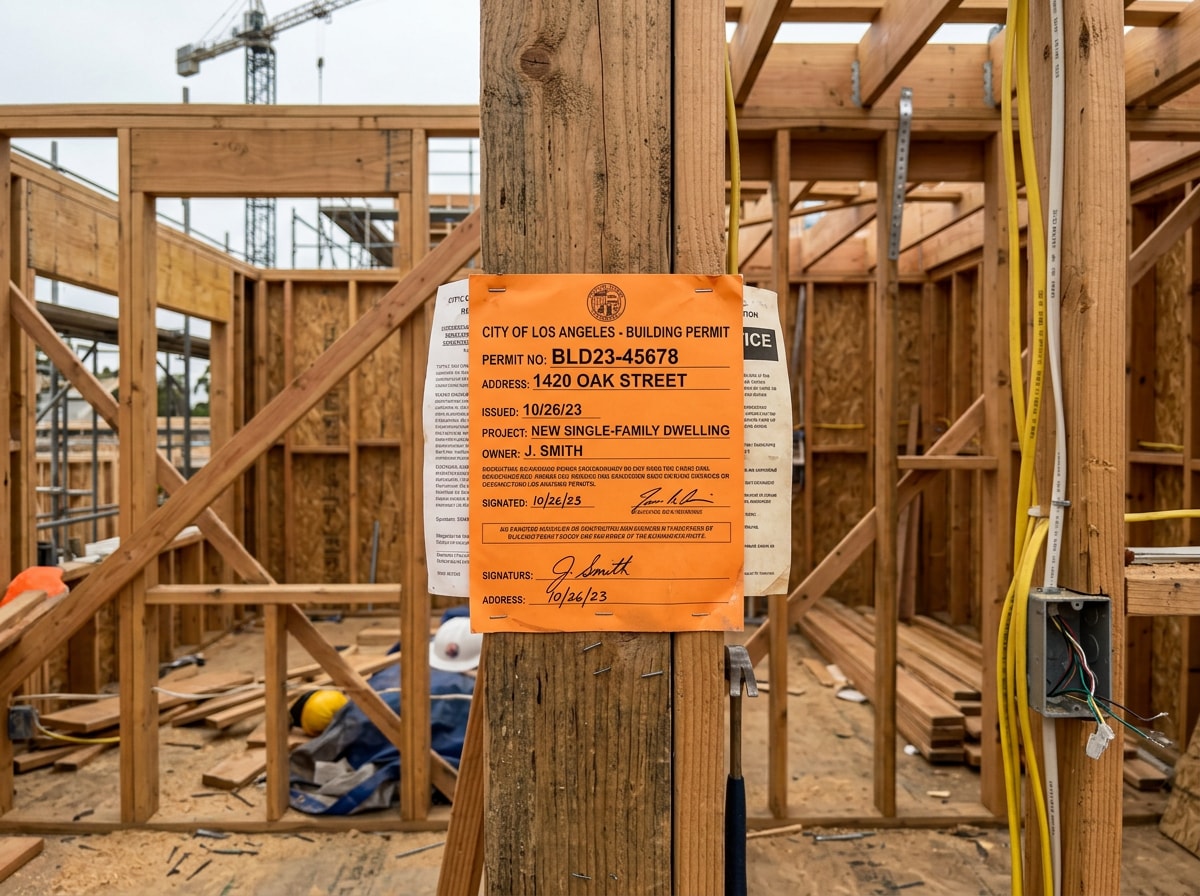
The Permit Process
Structural changes, new electrical circuits, and plumbing relocations typically trigger a building permit, which the general contractor usually submits and manages on the homeowner's behalf. Plan-check turnaround varies by project complexity, but most standard residential permits run a multi-week cycle rather than a single visit.
Not every city in the county goes through the same building department. Incorporated cities like Glendale and Pasadena run permits through their own building departments, so the process and timeline can differ depending on where your property sits. For general submission and inspection guidelines, see the Los Angeles Department of Building and Safety's official site.
How Long Does a Renovation Take?
- Bathroom remodel: 3–6 weeks
- Kitchen remodel: 6–10 weeks
- ADU (including permitting): 4–8 months
- Whole-home remodel: 4 months to over a year
Scope size and permit complexity are the biggest variables affecting any renovation timeline, more so than the trade work itself. Projects that require structural changes or utility relocations tend to run longer because of inspection scheduling, not just labor time.
Benefits of Hiring a Licensed General Contractor
A licensed GC gives you one point of accountability instead of juggling five separate trade contracts and hoping they coordinate on their own. That includes verified code compliance, access to an established subcontractor network, and someone responsible for catching trade-sequencing errors before they become expensive fixes.
The real benefit comes down to risk transfer: if a subcontractor's work fails inspection, the GC, not you, is on the hook to resolve it. A single point of contact also simplifies communication, since you're not relaying updates between five different crews yourself.
Where We Provide Residential General Contractor Services
Builders Pathway serves homeowners throughout Los Angeles County, CA, including:
We also take on projects in Ventura County, CA and Orange County, CA. If your city isn't listed, contact us to confirm coverage before you start planning.
FAQ
How much does it cost to build an ADU in Los Angeles County?
ADU costs typically range from $150,000 to $350,000, depending on size, finish level, and whether new utility connections are needed. A garage conversion tends to land at the lower end since it reuses existing structure, while a detached new-build ADU costs more due to foundation and utility work. Getting an accurate price requires a site visit, since lot access and existing utility capacity both affect the final number.
What is the maximum down payment a contractor can legally require in California?
California caps the initial deposit a contractor can request at $1,000 or 10% of the contract price, whichever is less. This rule is set by California Business and Professions Code Section 7159.5 and exists specifically to limit homeowner risk if a contractor takes a large sum and disappears. Any request above that cap is a clear sign to walk away, regardless of how reasonable the contractor otherwise seems.
What's the difference between a design-build contractor and a traditional general contractor?
A design-build firm handles both design and construction under one contract, which reduces the coordination gap between architect and builder. The traditional route, hiring an architect first and then a separate GC, can create miscommunication if the plans don't fully anticipate construction realities. Neither approach is universally better; it depends on project complexity and how much design input you want upfront.
Do I need a general contractor for a small home improvement project?
Usually not, if the project involves a single trade, like a fixture replacement or a small patch job. Once a project turns into two or more trades working together, such as plumbing and electrical for a half-bath, the answer generally shifts to yes, mainly to manage scheduling and avoid trade conflicts.
Do I need a permit for a kitchen or bathroom remodel in Los Angeles County?
If you're moving plumbing lines, adding electrical circuits, or altering structural walls, yes. Cosmetic-only work, like swapping a faucet or repainting, usually doesn't require one, but check with your city's building department since rules vary by jurisdiction.
How do I find a licensed general contractor near me in LA County?
Start with a CSLB license lookup to confirm the contractor is active and correctly classified, then ask for recent local references and photos of completed work in your city. A GC who already works in your specific jurisdiction, whether that's Glendale, Pasadena, or unincorporated LA County, will know that city's permit quirks going in.
Ready to compare a real quote against these ranges? Get a free estimate from our team and we'll walk through your project's scope, timeline, and permit path before you commit to anything.