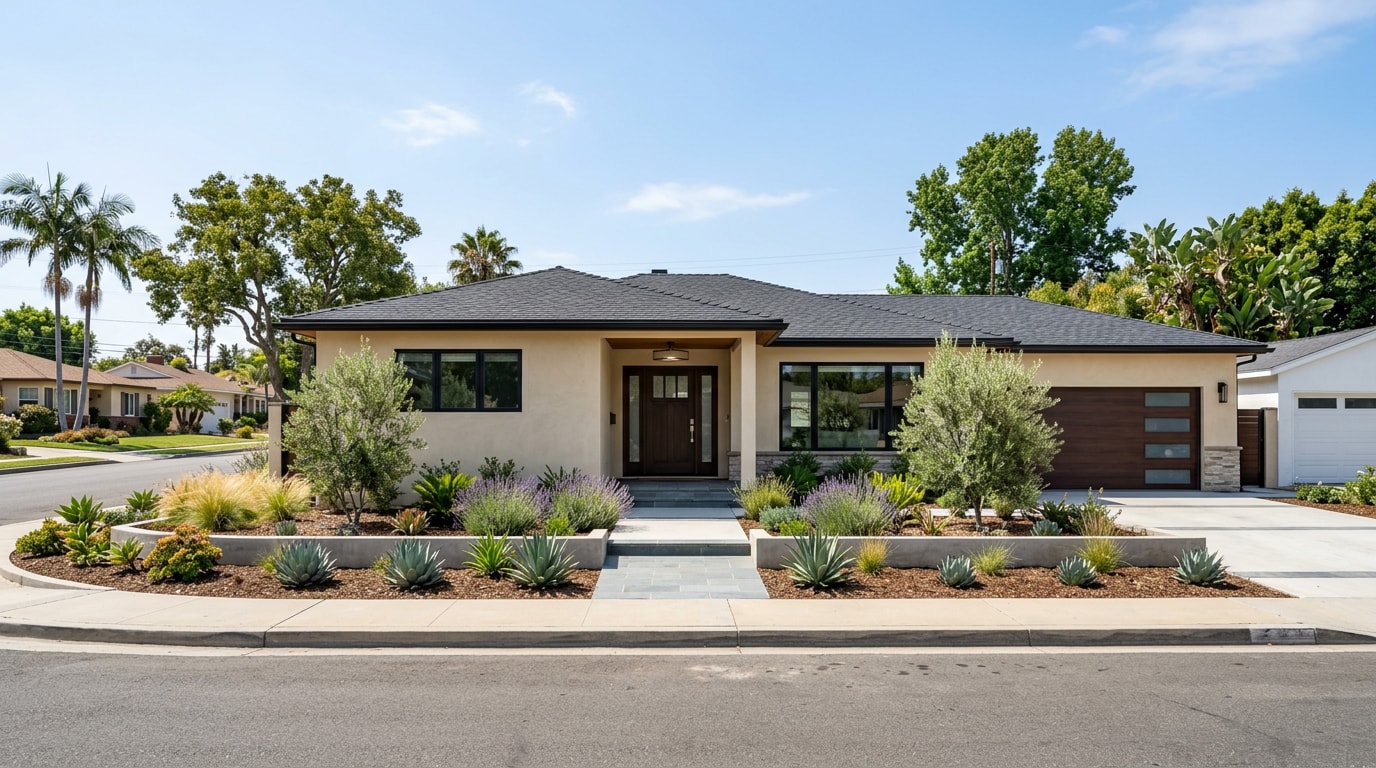

Searching for a general contractor roofing near me in Orange County, CA usually means you're facing one of two situations: a standalone reroof, or a roof that's part of a bigger remodel. The contractor you need depends on which one you're in. Here's how to tell the difference, verify credentials in minutes, and avoid the mistakes that turn a routine reroof into a six-month headache.
What a General Contractor Handles on a Roofing Project
A general contractor acts as the project manager for your build. That means planning the schedule, setting the budget, pulling permits, coordinating subcontractors, and confirming the finished work meets local building codes from the first nail to the final walkthrough.
If your roof is the only thing that needs attention, a dedicated roofing specialist is often the faster, cheaper route. But when the roof work is tied to an addition, a full remodel, or a storm-damage rebuild touching multiple trades, a general contractor keeps every subcontractor accountable to one point of contact instead of you juggling five separate crews.
That single-point-of-contact model matters even more on larger scopes. Our recent commercial turnkey contracting work in Los Angeles County shows the same coordination problem at a bigger scale: roofing rarely happens in isolation once framing, electrical, and HVAC are all touching the same structure. Explore our general contractor services to see how full project management works alongside a reroof, or look at general contracting specifically if you already know multiple trades are involved.
How to Choose a General Contractor for Roofing Near You
Finding the right general contractor takes some legwork upfront, and that's time well spent. Start by narrowing your list to contractors licensed to work in Orange County, then verify credentials before you look at a single portfolio photo.
Verify Licensing, Insurance, and Reviews
A contractor should be licensed and insured, full stop. Licensing confirms they've passed California's required trade exam; insurance protects you if an accident or property damage happens during the project.
Ask to see current license and insurance certificates before any work starts, not after. Cross-check reviews across multiple platforms rather than relying only on testimonials posted on the contractor's own site.
BBB Ratings and Red Flags to Watch For
A BBB rating tells you whether a contractor has a pattern of unresolved complaints. Read the actual complaint history, not just the letter grade, since how issues were resolved matters more than the overall score.
Watch for these classic red flags before you sign anything:
- Door-to-door solicitors who claim to be "already working in your neighborhood"
- Pressure to sign a contract the same day you meet
- Requests for full payment upfront, before any work begins
- A business card or estimate with no license number printed on it
These tactics are common among storm chasers, crews that appear after a major weather event, do rushed work, and disappear before problems surface. A legitimate contractor won't rush you into a decision.
Finding and Vetting Subcontractors
When a general contractor brings in subcontractors for specialty work, vetting shouldn't stop once the main contract is signed. Ask how the GC sources subcontractors and whether they check both technical skill and reliability, like communication and showing up on schedule.
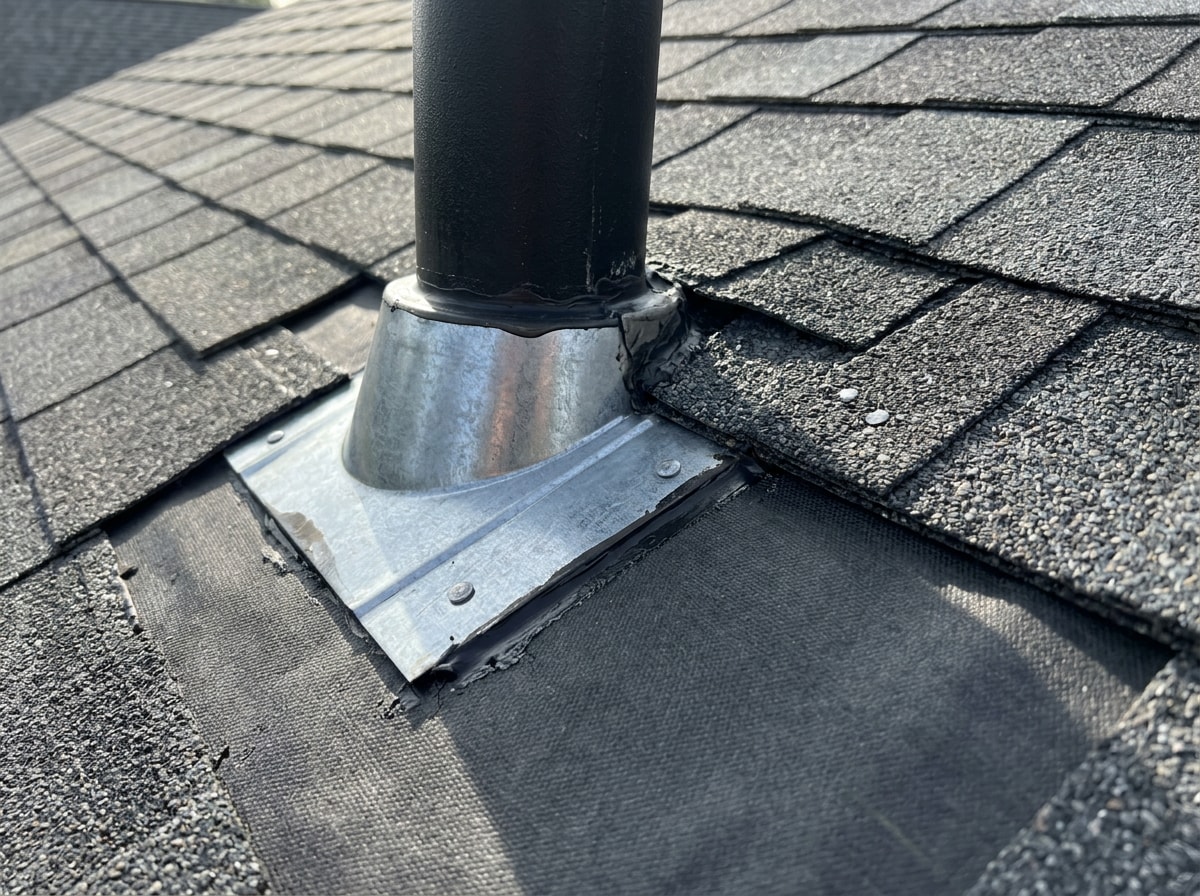
On inspections across Orange County homes, from coastal bungalows to inland tile-roofed ranches, the same three failure points show up over and over: cracked pipe boots, undersized flashing, and skipped underlayment fasteners. A GC who catches those before they become leaks is worth more than one who simply shows up on time.
If you're comparing a design-build model against a traditional GC arrangement for a larger project, our breakdown of builder vs. contractor differences in Ventura County walks through the same decision points that apply here.
California License Rules: C-39 vs. B-General
California licensing law draws a clear line between general contracting and specialty roofing work. A C-39 license is the classification specific to roofing, and it's the one that matters most if your only project is a reroof.
A general B license lets a contractor oversee roofing as one piece of a larger construction project, such as a remodel that includes a new roof among other trades. But if roofing is the entire scope of work, California law requires the contractor to hold a C-39, and a homeowner shouldn't accept "my general license covers that" as an answer.
| B-General License | C-39 Roofing License | |
|---|---|---|
| Can perform a standalone reroof | No, must subcontract to a C-39 | Yes |
| Can manage a multi-trade remodel including roofing | Yes | Only the roofing portion |
| Roofing-specific trade exam required | No | Yes |
| Workers' comp required regardless of employee count | No | Yes |
That last row is easy to miss. All contractors with a C-39 Roofing classification are required by B&P Section 7125 to have a Certificate of Workers' Compensation Insurance or a Certificate of Self-Insurance on file with CSLB , even solo operators with zero employees. Most homeowners never ask about this, and most contractors don't volunteer it.
As for the bond behind every active license: on January 1, 2023, the contractor license bond, bond of qualifying individual, and disciplinary bond increased to $25,000 as a result of Senate Bill 607 . That figure still applies in 2026. You can confirm any contractor's license status, bond, and standing in under a minute through the CSLB license lookup tool, just search the license number printed on their estimate.
Insurance Coverage That Actually Protects You
California roofing contractors should carry two distinct types of insurance, and neither substitutes for the other. A Commercial General Liability policy protects a business from financial loss if it's liable for property damage or personal and advertising injury caused by its services, operations, or employees . Workers' compensation, separately, covers injuries to the contractor's own crew while they're on your roof.
Both types of coverage are required, not optional extras. Before signing a contract, ask for a certificate of insurance directly from the carrier, not just a photocopy the contractor hands you, so you know the policy is actually active.
Common Roofing Services & Project Types in Orange County
A qualified Orange County general contractor should be comfortable coordinating more than one material or method. Local homes range from coastal bungalows to inland tile-roofed ranches, so the scope of work typically includes:
- Roof repair and full roof replacement
- Tile roofing (clay and concrete)
- Flat and low-slope roofing systems
- Storm damage repair
- Waterproofing
- Energy-efficient cool-roof installations

Roof Inspections
A roof inspection is a systematic check of your roofing system, shingles, flashing, gutters, and structure, to catch damage before it turns into a leak. In Orange County, a professional roof assessment typically takes 30 to 60 minutes and should happen at least once a year, or right after a major storm.
Roof Repair vs. Roof Replacement
Roof repair fixes a localized problem, a leak, a few damaged tiles, cracked flashing, while roof replacement removes the entire roofing system and installs a new one. Choosing between them usually comes down to three factors: the roof's age, how much surface area is damaged, and whether repair costs approach the price of a full replacement.
Most asphalt shingle roofs in Southern California reach the end of their expected life around 20 to 30 years. If your roof is past that mark and repairs keep piling up, replacement is typically the smarter long-term move. A roof under 15 years old with isolated damage is usually a good repair candidate.
Emergency Repairs and Regular Maintenance
A sudden storm, a fallen branch, or a burst attic pipe can force water into your home overnight, which is why established contractors keep emergency crews on call to tarp, patch, and stabilize damage fast.
Between emergencies, routine maintenance keeps small problems from becoming big ones: gutter cleaning, clearing debris off flat sections, and re-sealing flashing before the rainy season starts. If your roof is tied into a larger interior refresh, our home renovation team can coordinate both at once so you're not scheduling two separate crews.
Permits, Building Codes, and Title 24 Before You Start
Most cities across Orange County require a permit for roof replacement and major repair work. Before a crew touches your roof, plans typically go to the local Building and Safety Department along with proof of the contractor's license.
There's also an energy-code layer most homeowners don't see coming. The 2025 Building Energy Efficiency Standards, effective January 1, 2026, set requirements for the thermal emittance, three-year aged reflectance, and Solar Reflectance Index of roofing materials used in new construction and re-roofing projects . In plain terms: the roofing product you pick has to be tested and rated, not just chosen for color. Check the Cool Roof Rating Council's Title 24 resource page before you finalize a material, since coastal and inland climate zones in Orange County carry different minimums.
Skipping the permit process might save a few days upfront, but unpermitted work can complicate a home sale, void insurance claims, and won't be reviewed against current energy code standards. Ask your contractor to confirm, in writing, that permitting is included in their scope. If you'd rather have a licensed team handle the whole permit-to-inspection process, get a free estimate and we'll walk you through what your city requires.
What Roofing and General Contracting Projects Cost in Orange County
Costs swing widely based on project scale, material choice, and quality standards. These are broad, directional ranges, every roof and site is different, and your contractor's written estimate is the only number that matters for your project.
| Project Type | Typical Range |
|---|---|
| Small patch or leak repair | A few hundred dollars |
| Partial reroof (single section) | Low to mid four figures |
| Full asphalt shingle reroof (average home) | Mid four figures to low five figures |
| Full tile or metal reroof (larger home) | Mid to high five figures |
| Roofing tied to a larger remodel or addition | Varies with total project scope |

Homeowners need to look at the whole picture, not just the quoted labor fee. That number usually doesn't include everything, permit fees, disposal costs, subcontracted trades, and material price swings can all add to the final total.
Getting a detailed, itemized estimate upfront helps you compare quotes apples-to-apples instead of getting surprised by add-ons later. Request a breakdown of labor, materials, permits, and any subcontracted work before you sign. Ready to see real numbers for your project? Request a free estimate and get an itemized quote before you commit.
If you're weighing whether a full general contractor is worth it for your scope, our Orange County, CA service area page lists the neighborhoods and project types our team currently covers. You can also start from our homepage to browse every service category before requesting a quote.
This guide is maintained by the Builders Pathway general contracting team, licensed to build and remodel across Southern California. Every license and insurance claim above can be independently verified through the CSLB lookup tool linked in this article; we'd rather you check than take our word for it. Questions about your specific project? Contact us directly.
FAQ
Can a General Contractor Do Roofing Work in California?
Yes, but with a limit. A Class B General Building contractor can include roofing as part of a larger construction project. If roofing is the only work being done, state law requires that work to be subcontracted to a licensed C-39 roofing contractor. Always ask which license covers the actual roofing crew on your job.
What's the Difference Between a General Contractor and a Roofing Contractor?
A general contractor manages an entire project, permits, scheduling, and every trade involved, while a roofing contractor (C-39) specializes only in roofing and must be brought in when roofing is the sole scope of work. Hire a GC when the roof is one part of a bigger job; hire a roofing specialist when it's the only job.
What Should I Look for When Choosing a Roofing Contractor?
Verify an active C-39 license through the CSLB website, confirm the contractor carries both general liability insurance and workers' compensation coverage, and check their BBB rating along with any complaint history. Ask for local references and recent project photos. A contractor who hesitates to provide any of this is a red flag worth taking seriously.
How Long Does a Roof Last in Orange County?
It depends heavily on the material and how well it's maintained. Asphalt shingle roofs typically last 20 to 30 years in Southern California's climate. Hot mop built-up flat roofing can last 15 to 30 years with regular maintenance, and metal roofing often lasts 40 to 70 years.
Do I Need a Permit for a Roof Replacement in Orange County?
In most cases, yes. Most Orange County cities require a permit for roof replacement and major repair work, and licensed contractors are the ones authorized to obtain them. Unpermitted work generally isn't covered by homeowner's insurance if something goes wrong later, and it can void manufacturer warranties on materials.